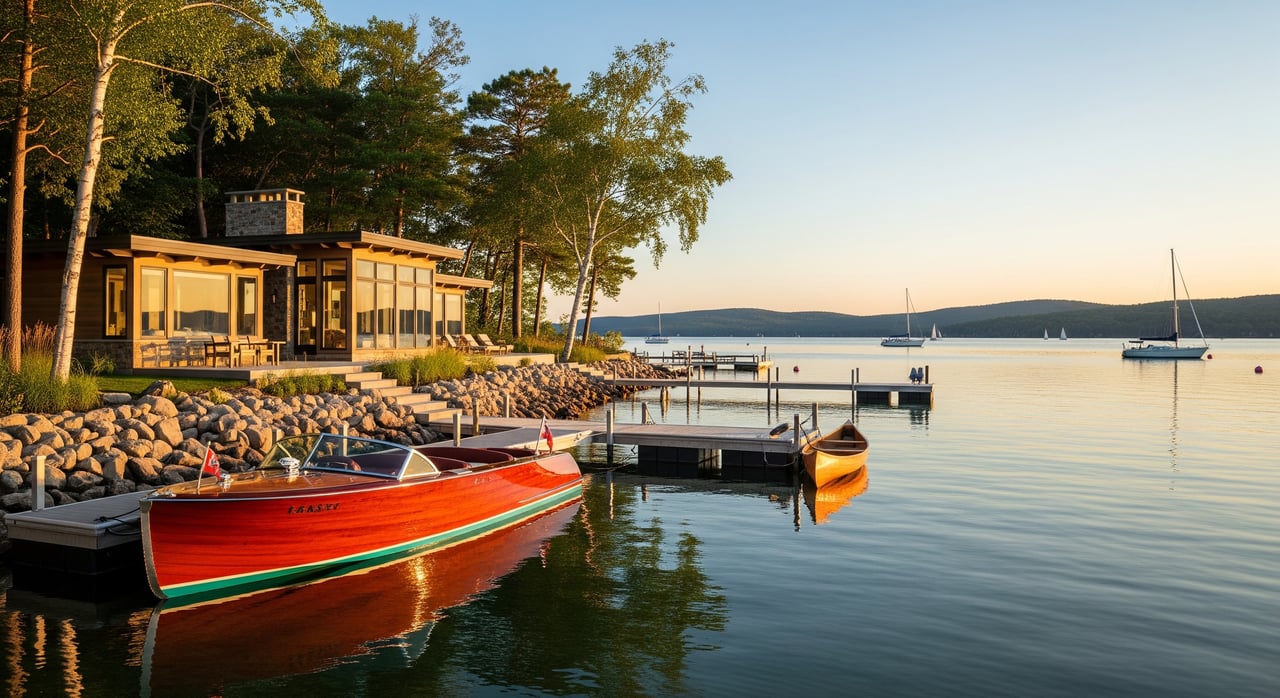
Are you picturing summer mornings on calm water or afternoons pulling tubers behind a boat? Around Elk Rapids, the lakefront you choose sets the tone for your daily rhythm, your maintenance chores, and even your long-term value. If you understand the differences between all-sports, no-wake, bayfront, and channel or chain-of-lakes properties, you can buy or sell with confidence. In this guide, you’ll learn what each type means for lifestyle, rules, and upkeep, plus practical steps to verify details before you commit. Let’s dive in.
Lakefront types in the Elk Rapids area
All-sports lakes
All-sports lakes allow motorized recreation like powerboating, skiing, and tubing without lake-wide speed limits beyond standard boating safety rules. They are often larger, deeper, and busier in summer, with marinas or public launches nearby. If you love active boating and want room for guests, this can be a perfect fit. Expect more noise and wake, greater dock wear, and seasonal congestion as tradeoffs.
No-wake and quiet lakes
No-wake or slow-speed lakes, or zones within lakes, limit speeds to reduce noise, erosion, and safety risks. These waters are popular with swimmers, kayakers, paddleboarders, and anglers who value calm conditions. The vibe is peaceful and often feels more private and family friendly. The tradeoff is limited high-speed boating, which can narrow your future buyer pool if you plan to sell.
River channels and chains
River-channel or canal frontage gives you linear shoreline and navigable access between lakes. The Elk River Chain of Lakes is a well-known regional example of connected waterways and channels. Buyers often prize the ability to boat to multiple lakes from one dock. Plan for current, seasonal water-level changes, and possible channel congestion where navigation narrows.
Bayfront on Grand Traverse Bay
Bayfront properties on Grand Traverse Bay are influenced by open-water dynamics, including wind, waves, and lake-level changes. You can find broader views, deeper water in some areas, and a mix of sandy and rocky shoreline. This setting attracts sailing and larger-boat enthusiasts who want big vistas. Shoreline management needs can be higher due to storms and wave energy, and permitting often differs from inland lakes.
Deeded vs. shared access
Private, deeded frontage gives you exclusive riparian rights on your parcel. Shared or association frontage means multiple owners use a private beach, launch, or strip of shoreline under covenants or HOA rules. Access type influences maintenance responsibilities, HOA fees, guest policies, and how you market a property. Always read the deed and association documents so you know exactly what you own and can use.
Other site distinctions to note
The geometry of the lot matters. Point lots can have wider views and more wake exposure, while channels and corner lots influence docking options. Deep versus shallow frontage affects the type of boats you can run and where you set a lift. Also consider whether the shoreline is already developed with a permitted dock or if you will need to pursue approvals to build.
How lake type shapes lifestyle and value
Lifestyle fit
- All-sports: You’ll enjoy skiing, tubing, and energetic summer gatherings.
- No-wake: You’ll get serenity, swim-friendly water, and easy paddling.
- Bayfront: You’ll have wide vistas and open-water boating or sailing.
- Chains: You’ll cruise between lakes without trailering.
Resale and pricing factors
All-sports frontage often commands premiums in areas with strong recreation demand. Quiet, no-wake water can also be valuable for buyers who prioritize peace. Proximity to marinas, public launches, and popular beaches influences comparable sales. Your future buyer pool depends on how well your lake type matches common lifestyle preferences.
On-site features to evaluate
- Shoreline type: sand, rock, riprap, or vegetated edges influence swimming and erosion.
- Dock and boat storage: confirm dock permits, lift conditions, and nearby slip availability.
- Nearshore depth: critical for pontoons or deeper-draft boats, and where to set a lift.
- Utilities: many waterfront homes rely on septic and a private well; verify capacity and setbacks.
- Access and parking: consider trailer maneuvering and guest parking.
Rules, permits and environmental essentials
State, county, and township rules shape what you can build, how fast you can boat, and how you manage shoreline. In Michigan, key contacts include the Michigan Department of Natural Resources for boating laws, and the Michigan Department of Environment, Great Lakes, and Energy for shoreline and wetland permits. Local township and county offices set zoning and dock guidelines, while county sheriff and marine patrol enforce speed and no-wake rules. Lake associations and conservancies often publish lake-specific rules, water-quality updates, and invasive-species information.
What may require permits
- New docks or modifications to existing piers and lifts.
- Shoreline protection such as riprap, seawalls, or beach nourishment.
- Work that affects wetlands or submerged lands.
- Setback compliance for homes, additions, and septic systems.
- In some cases, federal approvals for permanent structures on navigable waters.
Environmental factors to keep on your radar
- Aquatic invasive species: Eurasian watermilfoil and zebra or quagga mussels are notable concerns. Clean, drain, and dry boats and gear.
- Water quality: nutrient runoff, stormwater, or aging septics can affect clarity and algae levels; request recent reports.
- Erosion and water levels: plan for maintenance over time as conditions shift, especially on open bayfront.
- Fish and wildlife rules: confirm seasons and regulations if angling is part of your lifestyle.
Verify before you buy or list
Documents to request
- Full deed, legal description, and any easements or covenants tied to waterfront use.
- Recent survey showing shoreline, dock placement, elevations, and setbacks.
- HOA or lake association bylaws, rules, fees, and recent meeting minutes.
- Copies of permits for docks, seawalls, and prior shoreline work.
- Lake management plans and water-quality updates from local associations or county conservation offices.
- Maintenance records for docks, lifts, and shore stabilization.
Who to call locally
- Township clerk or zoning office for dock rules, setbacks, and any no-wake ordinances.
- County register of deeds for recorded restrictions and easements.
- County sheriff or marine patrol to confirm speed zones and enforcement.
- Michigan DNR or EGLE for state permitting and submerged land questions.
- Lake associations or watershed groups for AIS and water-quality information.
- Local marinas and launches to understand slip availability and peak-season traffic.
Field checks and tools
- County GIS maps and aerial imagery for lot lines, shoreline contours, and historical changes.
- Buoys and posted signs that mark no-wake or restricted zones.
- Nearshore depth observations during low and high water.
- Photos and video in multiple seasons to capture ice, storm effects, and vessel traffic.
Buyer checklist for Elk Rapids waterfront
- Identify your priority: active boating, quiet paddling, open-water views, or chain connectivity.
- Confirm lake type and any zone-specific rules through township, sheriff, and lake association sources.
- Verify dock permits, water depth, and lift placement for your intended boat.
- Inspect shoreline condition, erosion controls, and winter ice impacts.
- Evaluate septic capacity and well condition with qualified inspectors.
- Review HOA or shared-access rules for guest use, boat limits, and fees.
- Price insurance with waterfront exposure in mind and ask your lender about survey or permit needs.
- Check seasonal traffic patterns at marinas and launches that affect convenience.
Seller checklist to position your waterfront
- Gather and organize documents: deed, survey, dock and shoreline permits, HOA rules, and maintenance records.
- Clarify access type: deeded, shared, or association frontage, and what riparian rights convey.
- Stage the shoreline: clean up dock areas and capture photos during calm, sunny days.
- Highlight key features in marketing: water depth at the dock, lift setup, beach type, and navigability.
- Address common concerns upfront: septic service history, erosion measures, and HOA rules.
- Note proximity to marinas, public launches, and popular recreation spots.
- Be ready with recent drone or shoreline photos that show seasonal conditions.
Smart stewardship tips for owners and guests
- Clean, drain, and dry boats and gear to prevent the spread of aquatic invasive species.
- Follow posted no-wake zones to reduce shoreline erosion and protect swimmers and paddlers.
- Use appropriate shoreline protection only with the proper approvals.
- Manage stormwater and septic systems to support long-term water quality.
- Keep lighting and sound respectful of neighbors and community rules.
Work with a local waterfront team
Buying or selling on the water in 49690 is about lifestyle and compliance. When you match your ideal day on the lake with the right property type, you protect both enjoyment and value. If you want help verifying rules, organizing permits, and positioning your home for the right buyers, our local team is here to guide you.
Ready to talk through your goals on the water? Connect with Craig Real Estate to schedule your free consultation.
FAQs
What’s the difference between all-sports and no-wake lakes in Elk Rapids?
- All-sports lakes allow motorized recreation at typical speeds, while no-wake waters or zones limit speed to reduce noise, erosion, and safety risks; always confirm local rules before you buy.
How do I verify if a specific Elk Rapids lake is no-wake or has speed zones?
- Contact the township zoning office and county sheriff or marine patrol, review lake association rules, and look for posted buoys or signage on the water.
Can I build or move a dock on a Grand Traverse area property?
- Request existing permits and consult township zoning and state authorities to learn about required approvals, dimensions, and placement standards.
What should I check about water depth at my dock site?
- Measure nearshore depth during typical boating season, note seasonal fluctuations, and confirm suitability for your boat’s draft and lift setup.
Do bayfront properties on Grand Traverse Bay require different maintenance?
- Bayfront can face stronger wind and wave action, so plan for more robust shoreline management and confirm permitting for protection measures.
How do lake type and location affect insurance and lending?
- Waterfront exposure can impact premiums, and lenders may request surveys or permit documentation for docks and shoreline structures; check with your insurer and lender early.