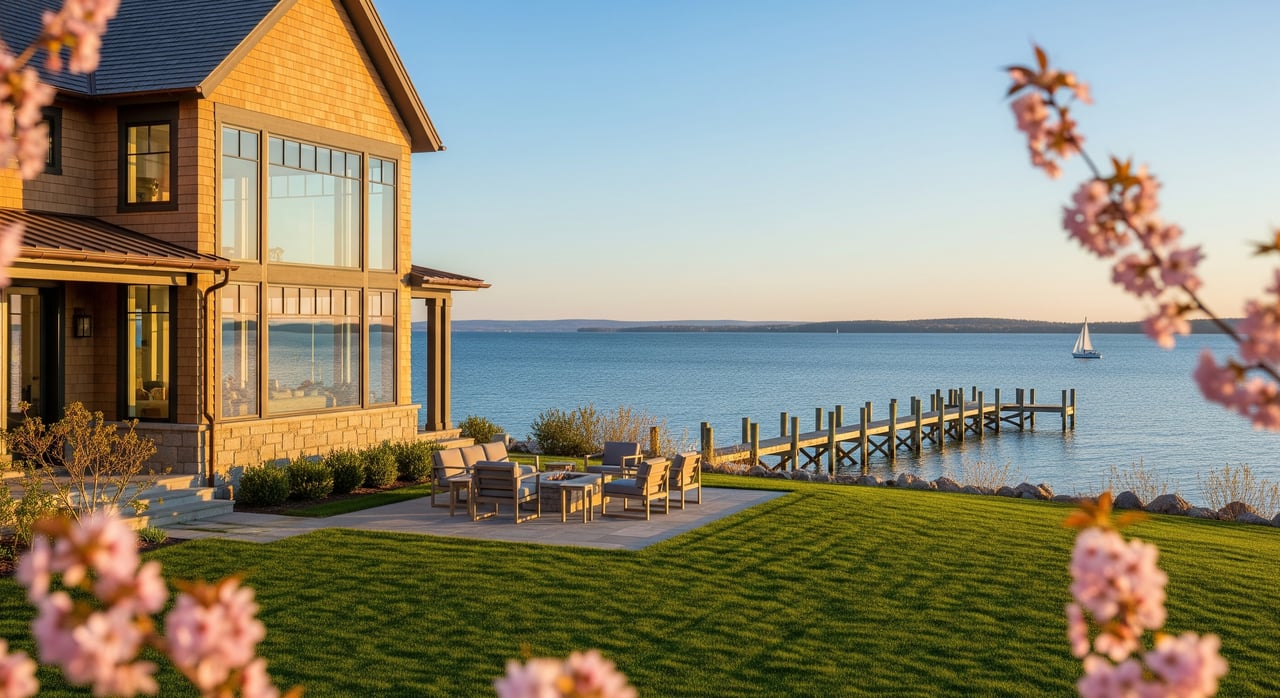
Is spring the right time to sell in Grand Traverse County? If you want strong buyer activity and fresh curb appeal, it often is. You may be juggling weather, contractors, and timing around travel-heavy months. This guide gives you a practical, local week-by-week plan, plus checklists and marketing tips that fit how buyers shop in Traverse City and the surrounding townships. Let’s dive in.
Why spring listing matters here
Spring is historically the busiest national buying season, and that pattern shows up locally with more tours and new listings. In Grand Traverse County, you also have a mix of year-round residents and seasonal or second-home buyers. Many of those out-of-town buyers plan trips in late spring and summer, which can boost showing traffic.
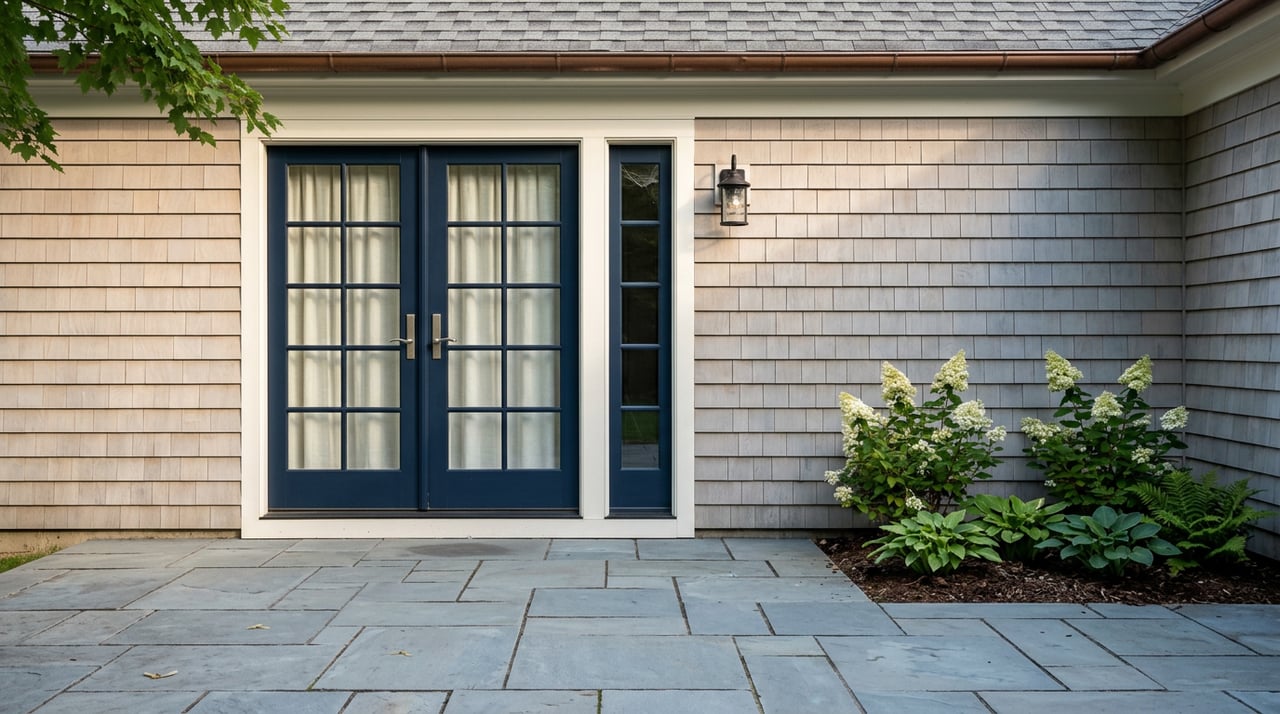
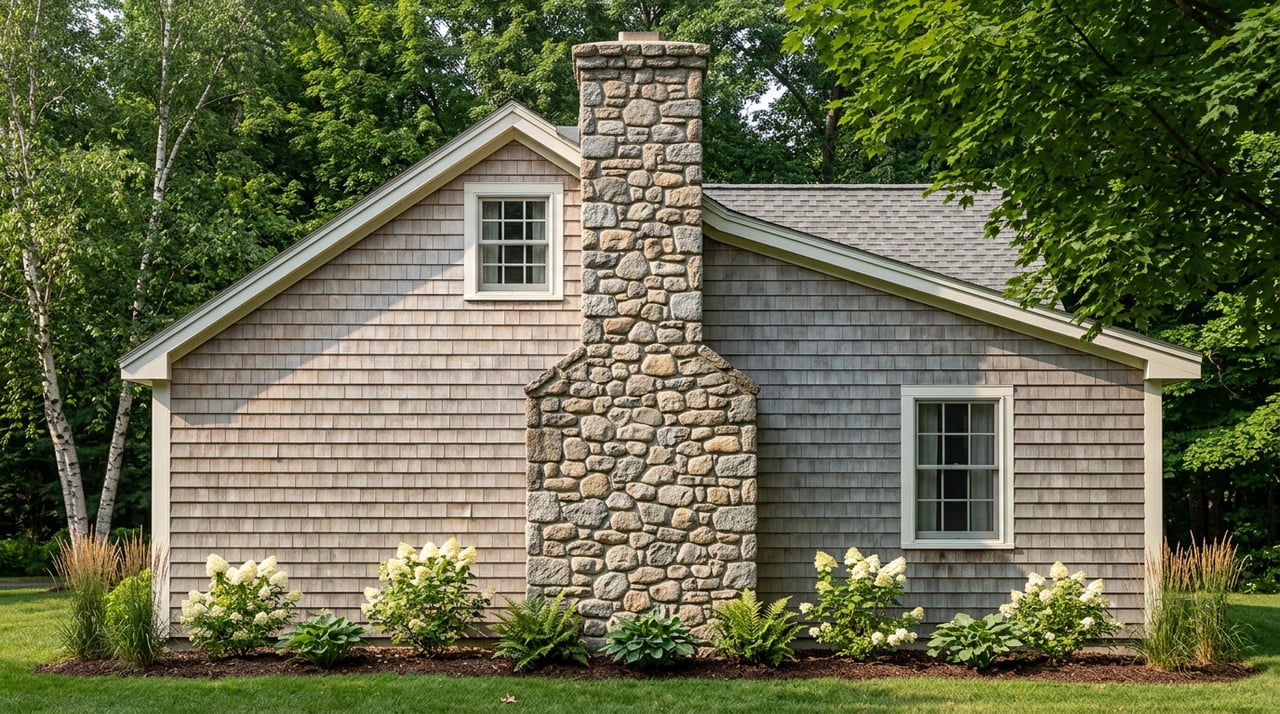
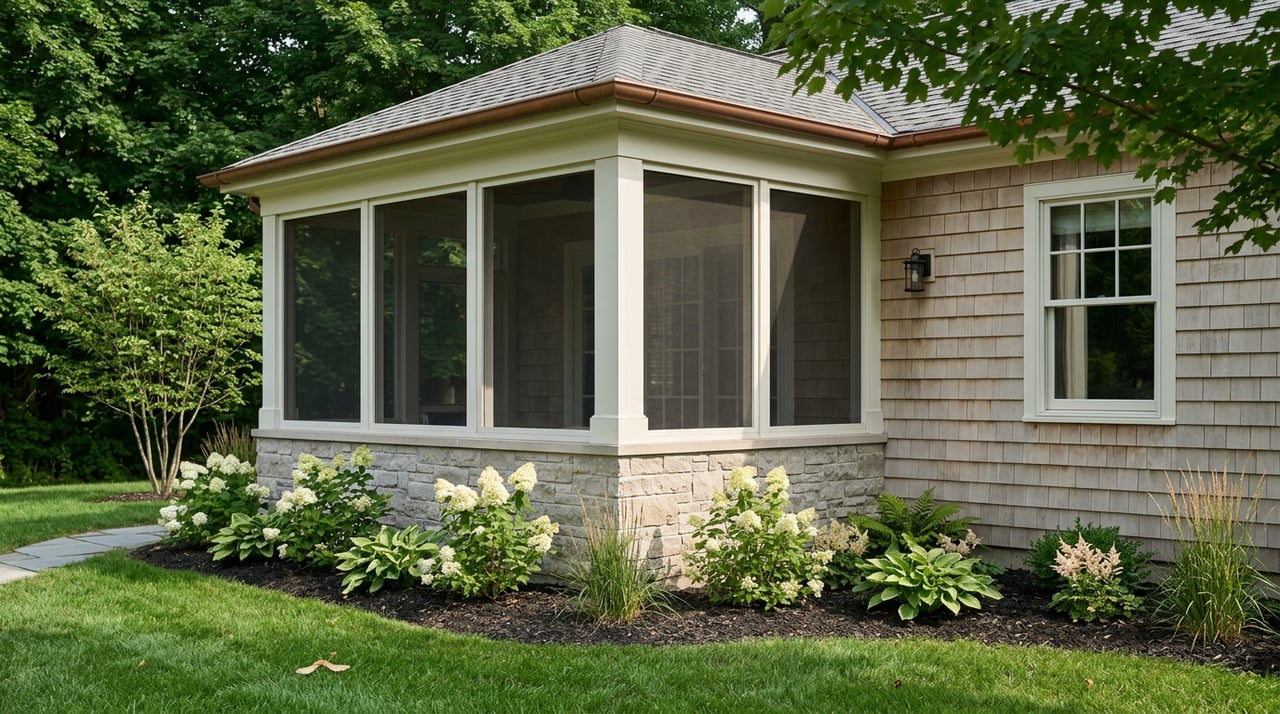
Northern Michigan thaws later than downstate. Lawns and trees usually look their best from late April through June. That timing works well for photos, open houses, and outdoor staging. Pair that visual edge with higher buyer activity and you have a strong window to launch.
Your 12–16 week plan
A smooth spring listing starts 8 to 12 or more weeks before you go live. Use this schedule to work backward from your ideal launch date.
12–16 weeks before listing
- Choose your listing agent. Interview 2 to 3 local agents with recent sales near your neighborhood. Ask about a spring marketing plan, pricing strategy, and experience with waterfront or second homes if that applies to you.
- Order a comparative market analysis. Review likely price range, timing, and which weeks could deliver the best launch window.
- Start major projects. Roof repairs, exterior painting, siding, or structural fixes take time and contractors book up quickly in spring.
- Schedule staging and vendors. If you plan to declutter, paint, or stage, get on calendars early.
- Gather key documents. Collect deed, survey if available, tax records, utility bills, HOA info, permits for past work, and rental history if you used the home as a short-term rental.
8–12 weeks before listing
- Get a pre-listing inspection. Identify issues that could slow negotiations later. Common areas include roof, HVAC, foundation, plumbing, and electrical.
- Test well and septic if applicable. Well yield and bacterial tests can take time. Plan for septic pumping or repairs if needed.
- Run a radon test. Many Michigan homes benefit from documented radon results. If mitigation is needed, completing it before listing reduces buyer contingencies.
- Secure estimates and complete repairs. Tackle items the inspection flagged so buyers have fewer reasons to hesitate.
- Begin interior prep. Neutral paint, flooring touch-ups, bright lighting, and a deep clean create a move-in-ready feel.
4–6 weeks before listing
- Improve landscaping. Plan lawn cleanup, mulching, pruning, and spring plantings so your yard peaks for photos. In this region, late April and May schedules often work best.
- Tune exterior details. Grade gravel driveways, power-wash siding and walks, and clean gutters.
- Check permits and local rules. Waterfront, docks, and shoreline structures sometimes require documentation. Consult city or county planning if you are unsure.
- Prepare disclosures and documents. Complete Michigan seller disclosures and gather any test results, permits, or receipts for renovations.
- Finalize list price. Review the latest comparable sales and market activity with your agent and set your price strategy.
1–2 weeks before listing
- Schedule professional photos and a floor plan. Time exterior shots for green lawns and good light. For lakefront or view properties, consider aerial images where permitted.
- Stage for spring. Add fresh bulbs in light fixtures, clean windows, set outdoor seating if weather allows, and simplify surfaces.
- Build your marketing package. Confirm MLS remarks, a property brochure, social media assets, and targeted email or ad campaigns.
- Set showing logistics. Agree on lockbox placement, instructions, and rules for pets and valuables.
Launch: the first two weeks
Aim to hit the market when your home is fully ready, with photos, disclosures, and showing instructions in place. Many sellers choose a mid-week launch to build momentum into weekend showings. Coordinate open houses with your agent to match likely buyer patterns.
Track feedback closely. If tours are light in the first week, consider small adjustments in pricing, photos, or staging. Early responsiveness keeps your listing competitive while interest is highest.
From contract to close
Most buyers schedule inspections within about 7 to 10 days after you accept an offer. If you did a pre-listing inspection and fixed key issues, repair requests may be simpler.
If the buyer is financing, allow 2 to 3 weeks for the appraisal. Overall, many Michigan closings take about 30 to 45 days, though cash can move faster. Work with the title company or closing attorney to provide payoffs, tax information, and any certificates they request.
Local inspections and disclosures
Being proactive with documentation speeds negotiations and gives buyers confidence.
- Seller disclosures. Michigan uses standardized forms. Disclose known material defects. If your home was built before 1978, complete the federal lead-based paint disclosure.
- Radon. A recent radon test, and mitigation if needed, reduces a common contingency in this region.
- Private well and septic. Water quality tests and septic inspections are common here. Some municipalities have transfer requirements, so confirm expectations with county health resources.
- Short-term rental details. If you operated as a vacation rental, share licensing or registration status, rental history, and any compliance notes.
- Permits and improvements. Keep receipts and permits for roofs, additions, HVAC, or major renovations ready for buyer review.
- Property taxes and assessments. Verify your current tax status and any special assessments. Title will ask for this at closing.
- Waterfront specifics. For lakefront homes, compile info on riparian rights, docks, shoreline permits, boathouse details, and any known erosion or stabilization work.
Marketing that fits Traverse City buyers
Your audience may include both local households and out-of-area buyers who visit seasonally. Plan your marketing to meet both where they are.
- Photography timing. In northern Michigan, exterior photography is strongest from late April through June. Try to capture full, green landscaping and clear water views.
- Aerial imagery. Use drone photography for waterfront and scenic properties where allowed. Confirm FAA rules and local restrictions before flying.
- Buyer-focused messaging. Highlight amenities that matter to this market, such as beaches, wineries, trails, downtown Traverse City, and access to Cherry Capital Airport for convenient travel.
- Staging for seasonal appeal. Emphasize outdoor living. Stage decks, patios, and fire pits as the weather warms. Indoors, keep rooms bright and uncluttered.
- Flexible access. Provide a quality virtual tour and convenient showing windows to accommodate out-of-town buyers planning weekend trips.
Pre-listing documents to gather
Keep a simple folder or shared drive with scanned copies so your agent and title company can access them quickly.
- Current deed and legal description
- Most recent property tax statement
- Mortgage payoff information if available
- Recent survey or plot plan if available
- Permits and invoices for past renovations
- HOA bylaws, rules, and contact info if applicable
- Rental history and licenses if used as a vacation rental
- Pre-listing inspection report if completed
- Radon test results if completed
- Well water test results and septic inspection report if completed
Professionals to line up
- Local listing agent experienced in Grand Traverse County
- Home inspector for a pre-listing inspection
- Licensed contractors for repairs and maintenance
- Licensed radon tester or mitigator if needed
- Photographer familiar with Northern Michigan properties
- Stager for vacant or high-end listings
- Title company or real estate attorney for closing
Smart timing tips
- Start early. Contractors, inspectors, and photographers book quickly in spring. Give yourself 8 to 12 or more weeks to prepare.
- Balance traffic and curb appeal. Early spring captures pent-up demand. Late April through June usually offers your best visual impact.
- List mid-week. A mid-week live date often builds online exposure before the first weekend.
- Target travel windows. If you are aiming at second-home buyers, coordinate open houses with popular visit times.
Ready to map the best window for your address and property type? Get a custom spring plan, pricing guidance, and a premium marketing rollout with Craig Real Estate.
FAQs
When should Grand Traverse County sellers start preparing for a spring listing?
- Begin major projects and scheduling 8 to 12 or more weeks before your target live date to avoid spring vendor backlogs.
Is it better to list early spring or wait until lawns green up in Northern Michigan?
- Early spring can catch pent-up demand, while late April through June usually delivers stronger curb appeal for photos and showings.
Do I need radon, well, or septic tests before listing a Traverse area home?
- Requirements vary, but providing recent results reduces contingencies and helps buyers move faster during inspections.
How long does it take to close after accepting an offer in Michigan?
- Many financed purchases close in about 30 to 45 days; expect 7 to 10 days for inspections and 2 to 3 weeks for appraisal.
What documents should I have ready before listing in Grand Traverse County?
- Gather your deed, tax statement, permits and receipts for improvements, any HOA info, inspection and radon reports, and well or septic results if applicable.
How should I market a Traverse City waterfront or view property in spring?
- Time exterior photos for late April to June, use aerials where permitted, and stage outdoor spaces to showcase views and seasonal living.