Thinking about buying a Northern Michigan getaway and using short-term rentals to help cover costs? You are not alone. Antrim County’s lakes, trails, and four-season recreation attract steady visitor interest, but the rules and realities around STRs vary by township and property type. In this guide, you will learn the local demand patterns, the key regulations and taxes to confirm, the financing and insurance details many buyers miss, and a step-by-step due diligence checklist to help you purchase with confidence. Let’s dive in.
Why Antrim County STRs draw interest
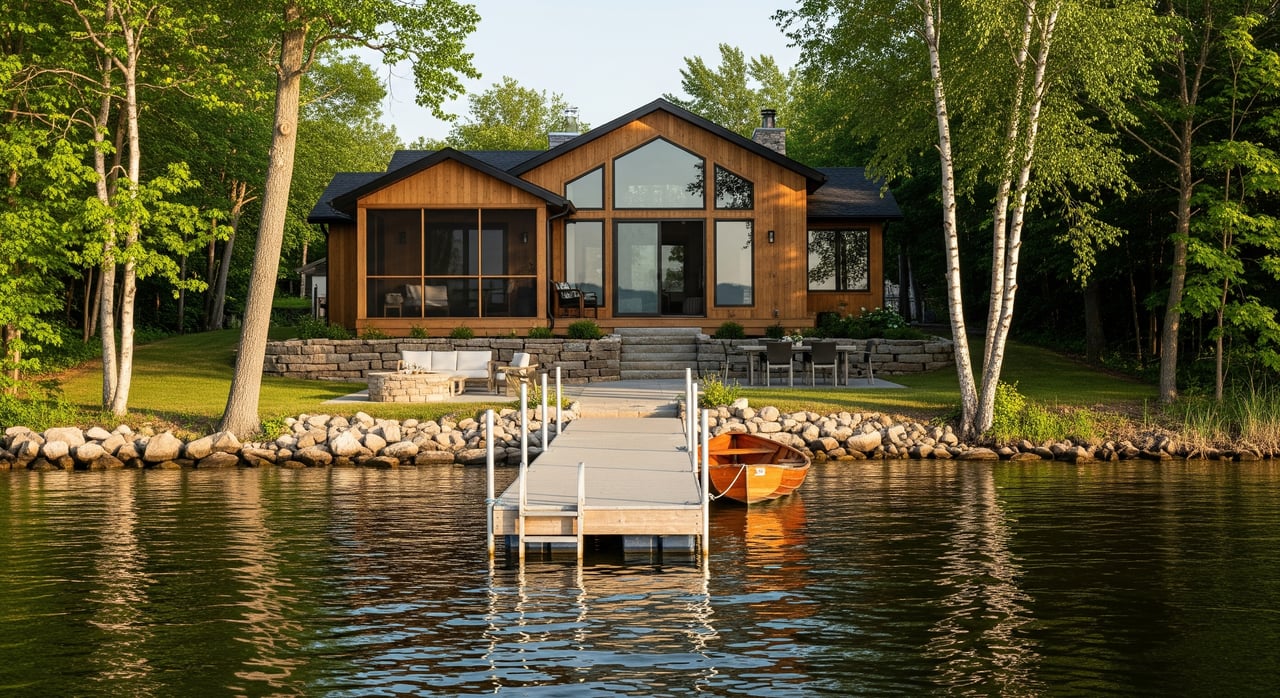
Antrim County is a rural, lake-focused destination in northwest Lower Michigan. Many of the most desirable STRs sit on or near lakes, public access points, and trail systems for boating, fishing, hiking, and snowmobiling. Location and lake access are major revenue drivers, since properties with docks, views, or quick access to recreation tend to command premium nightly rates.
Demand is highly seasonal. Summer typically delivers the highest occupancy and average daily rates, while winter can bring smaller spikes from ice fishing and snowmobiling. Spring and fall are quieter, though shoulder-season guests still come for leaf color and peaceful lake stays. Regional events and state-level tourism efforts can cluster bookings in certain weeks, so you will want a pricing strategy that flexes with the calendar.
Understand the rules before you buy
Short-term rental regulation in Antrim County is not one-size-fits-all. Most binding rules live at the township, village, or city level, and HOA or condo rules can be even more restrictive.
Municipal zoning and licensing
- Check how the property is zoned and whether STRs are allowed, limited, or prohibited in that district.
- Ask if you need an STR license or registration. Some jurisdictions also require periodic safety inspections.
- Confirm local limits on occupancy, parking, noise and quiet hours, trash handling, and signage.
- Lakefront properties may have shoreland or riparian rules that affect docks, setbacks, or shoreline work.
HOA and condo restrictions
- Covenants, conditions, and restrictions can prohibit or limit STRs even when local zoning allows them.
- Request the full set of recorded documents and bylaws, and verify rules in writing with the association.
Taxes and who collects them
- Michigan sales and use tax applies to short-term lodging. Register and follow current filing rules with the Michigan Department of Treasury.
- Some municipalities may charge a local lodging or transient accommodation tax. Confirm rates and who remits them.
- Platforms sometimes collect certain taxes for hosts. Do not assume everything is covered automatically. Verify what is collected for the specific township and adjust your setup accordingly.
- Rental income is taxable at the federal level. IRS rules on personal use and rental activity affect deductions and reporting. Speak with a qualified CPA for guidance.
Where to confirm details
- Township or municipal clerk for zoning, licensing, and local taxes.
- Antrim County Planning and Zoning for county-level guidance and department contacts.
- County treasurer and assessor for tax classification and rates.
- Michigan Department of Treasury for state sales and use tax questions.
- HOA or condo management for CC&R enforcement and rental restrictions.
Financing and insurance considerations
Lenders and insurers treat STRs differently than primary residences. Plan ahead so your loan and coverage match your intended use.
- Financing: Many STR purchases fall under investment-property lending, which often requires larger down payments and cash reserves than an owner-occupied loan. Some loan programs have use or occupancy limitations, so disclose your STR plans early.
- Underwriting: If the seller operates an STR, documented history can help your case, but underwriters will review the stability and depth of that income.
- Insurance: Standard homeowner policies often exclude short-term rental activity. You may need an STR-specific policy or endorsement, plus higher liability limits. Ask carriers about required safety features and guest-count assumptions.
- Umbrella coverage: Consider an umbrella policy for added liability protection, especially when you have frequent guest turnover.
Property condition and operational needs
Northern Michigan vacation rentals face unique wear, weather, and infrastructure challenges. A careful inspection and operating plan can prevent surprises.
- Septic and water: Many properties use private wells and septic systems. Inspect septic capacity, age, and maintenance history, and test well water quality. Confirm compliance with county health department rules and local occupancy limits tied to system capacity.
- Access and parking: Rural roads can be narrow, and winter snow removal is essential for guest safety and compliance. Verify driveway access, parking capacity, and plowing plans.
- Utilities and systems: Guest turnover and seasonal usage patterns put extra strain on HVAC, water heaters, and appliances. Budget for higher maintenance and faster replacement cycles.
- Safety essentials: Check egress windows, smoke and CO detectors, fire extinguishers, handrails, and non-slip surfaces, especially around lakeside areas. Some municipalities require documented safety compliance.
- Neighbor relations: Noise, parking overflow, and trash are common complaint sources. Set clear house rules, communicate quiet hours, and consider simple technology solutions to prevent nuisance issues.
Build a realistic revenue model
Strong summers often drive most of the year’s revenue in Antrim County, so your pro forma should show month-by-month seasonality. Model both revenue and costs with conservative assumptions.
- Revenue levers: Average daily rate and occupancy vary by lake access, bedroom count, amenities, and time of year. Many lake-area bookings are weekly in summer and shorter in shoulder seasons.
- Expense line items: Plan for cleaning and turnover, utilities and supplies, maintenance, platform fees, insurance premiums, property management if used, and all applicable taxes.
- Data sources: Tools such as AirDNA or similar services can help with ADR, occupancy, and seasonality benchmarks. You can also learn from comparable listings and local property managers who know historical patterns.
- Key risks: Expect uneven monthly cash flow from seasonality. Monitor regulatory changes, potential oversupply, and unexpected major expenses like septic repairs or shoreline work.
Due diligence checklist
Use this step-by-step list to stay organized from first showing through launch.
Before you write an offer
- Confirm with the township or municipality that STR use is allowed for the property’s zoning. Ask for written confirmation or the relevant ordinance section.
- Review HOA or condo rules for any rental limitations or prohibitions.
- If buying an existing STR, collect booking history, guest reviews, income statements, cleaning schedules, and tax documents.
- Build revenue assumptions using market data, and compare to active listings for similar properties.
- Discuss financing early and disclose STR intent to your lender.
During inspection and escrow
- Order a septic inspection and well-water test.
- Check for code or health department violations and verify safety equipment.
- Confirm parking capacity, driveway access, and snow removal logistics.
- Request documentation on any required STR permits, licenses, registration numbers, and tax remittance status. Determine what can transfer at closing.
After closing and before your first booking
- Register for Michigan sales and use tax and any local lodging or transient tax accounts.
- Finalize STR-appropriate insurance and adjust coverage and liability limits.
- Prepare guest-ready house rules, safety information, emergency contacts, and waste instructions.
- Establish a cleaning and maintenance plan, and consider a local property manager who knows Antrim County operations.
Local contacts to confirm rules
Having the right phone numbers and email addresses speeds up verification.
- Township or municipal clerk in the property’s location for zoning and licensing.
- Antrim County Planning and Zoning for county guidance and department contacts.
- County treasurer and assessor for property and tax classification questions.
- Michigan Department of Treasury for state sales and use tax requirements.
- HOA or condo management for CC&Rs and rental policies.
How Craig Real Estate supports your STR goals
You deserve clear guidance and a smooth process from first tour to first guest. As lifetime Northern Michigan residents and a boutique team with deep local networks, we help you confirm township rules, surface HOA restrictions, and evaluate each property’s operational realities. We connect you with trusted lenders, inspectors, insurance professionals, and property managers who understand Antrim County.
We also help you think like an operator. You will leave showings with practical insights about septic capacity, access and parking, winter upkeep, and safety features that affect bookings and compliance. Whether you are targeting a lakefront retreat or a convenient base near outdoor recreation, our concierge approach and market knowledge help you buy with confidence.
Ready to evaluate an Antrim County property for short-term rental use? Connect with the local team that treats your goals like our own. Schedule your free consultation with Craig Real Estate.
FAQs
Are short-term rentals allowed in my Antrim County township?
- Rules vary by municipality. Contact the township or municipal clerk to confirm zoning and any STR licensing or caps before you purchase.
What taxes apply to a short-term rental in Michigan?
- Michigan sales and use tax applies to short-term lodging, and some municipalities may add a local lodging tax. Confirm rates and who remits with the Michigan Department of Treasury and local tax offices.
Will platforms collect my lodging taxes automatically?
- Some platforms collect certain taxes in some locations, but not all. Verify what is collected for your specific township and register for any remaining tax accounts you must handle.
Do I need special insurance for an STR property?
- Most standard homeowner policies exclude short-term rental activity. Secure an STR-specific policy or endorsement and consider an umbrella policy for added liability coverage.
Can I finance a property I plan to use as a short-term rental?
- Yes, but lenders treat these as investment properties with different down payment and reserve requirements. Disclose your STR plans to your lender at the start.
How seasonal is STR demand in Antrim County?
- Summer typically drives the majority of bookings and revenue, with some winter demand tied to snow and ice activities. Spring and fall are usually slower.
What operational issues should I plan for with rural lake properties?
- Inspect wells and septic systems, plan for snow removal and access, verify parking capacity, and confirm safety features like smoke and CO detectors and fire extinguishers.
How do I estimate potential income for an STR purchase?
- Use market data tools and local property manager insights to model ADR, occupancy, and seasonality, then subtract realistic operating costs and taxes for a conservative forecast.
Can an HOA restrict short-term rentals even if my township allows them?
- Yes. HOA covenants and condo bylaws can prohibit or limit STRs regardless of local zoning, and those rules are enforceable.
What documents should I request when buying an existing STR?
- Ask for booking history, guest reviews, income statements, cleaning and maintenance records, any STR license or registration numbers, and evidence of tax remittance.