Picture waking up to soft bay light, grabbing coffee, and walking a few blocks to the water. If you are considering life near Grand Traverse Bay in the 49686 area, you likely want daily access to the shoreline with practical comforts nearby. In this guide, you will learn how neighborhoods feel, how you get around, what four-season living looks like, and what to know before you buy. Let’s dive in.
The setting: Grand Traverse Bay and 49686
Traverse City sits at the southern end of Grand Traverse Bay, where downtown, the harbor, and nearby neighborhoods meet the water. The bay is split into East and West Bay, and many homes sit within a short walk or drive of beaches, parks, and marinas. In 49686, you will find areas close to the downtown core, east-side parks and marinas, and the corridor that leads up Old Mission Peninsula.
Bay-proximate living ranges from city blocks near the Boardman River mouth to more rural stretches as you head up the peninsula. The result is a mix of walkable streets, quiet residential pockets, and scenic corridors with water in view.
Neighborhoods and housing near the bay
Downtown and harbor living
Near Front Street, the Boardman River, and Clinch Park, you will find the most walkable blocks. Streets are lined with shops and restaurants at ground level and condos or apartments above. Just beyond the main drag are small-lot single-family homes and some historic properties that put you close to beaches and the marina.
West, east, and near-bay residential
Outside the immediate core, near-bay neighborhoods are mostly single-family homes with occasional duplexes, plus a growing number of condos and townhomes that offer water views. You will see everything from renovated cottages to newer custom builds. Sidewalks and park access vary by block, so it helps to walk the area to gauge day-to-day convenience.
Old Mission and peninsula life
As you move north, lots generally get larger and the setting feels more rural. Seasonal cottages sit alongside year-round custom homes. The landscape includes orchards and vineyards, which add to the weekend rhythm and seasonal scenery. Daily errands are usually a short drive back toward town.
Architectural character
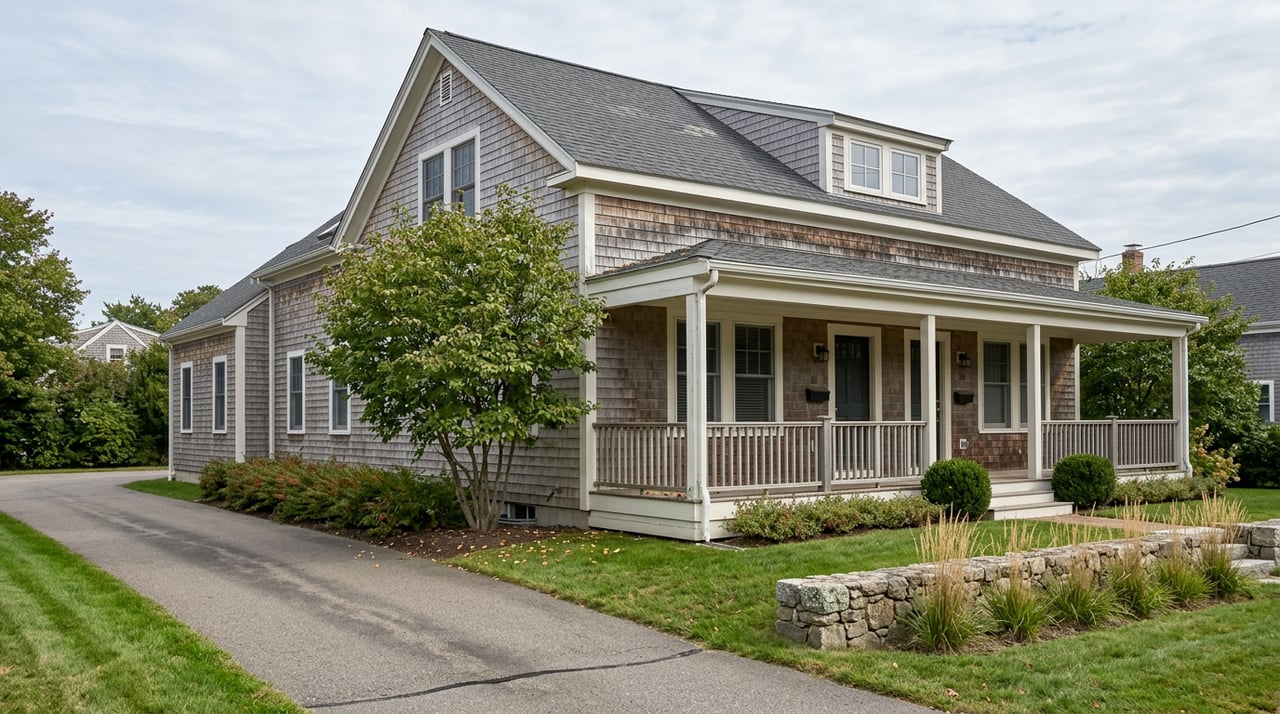
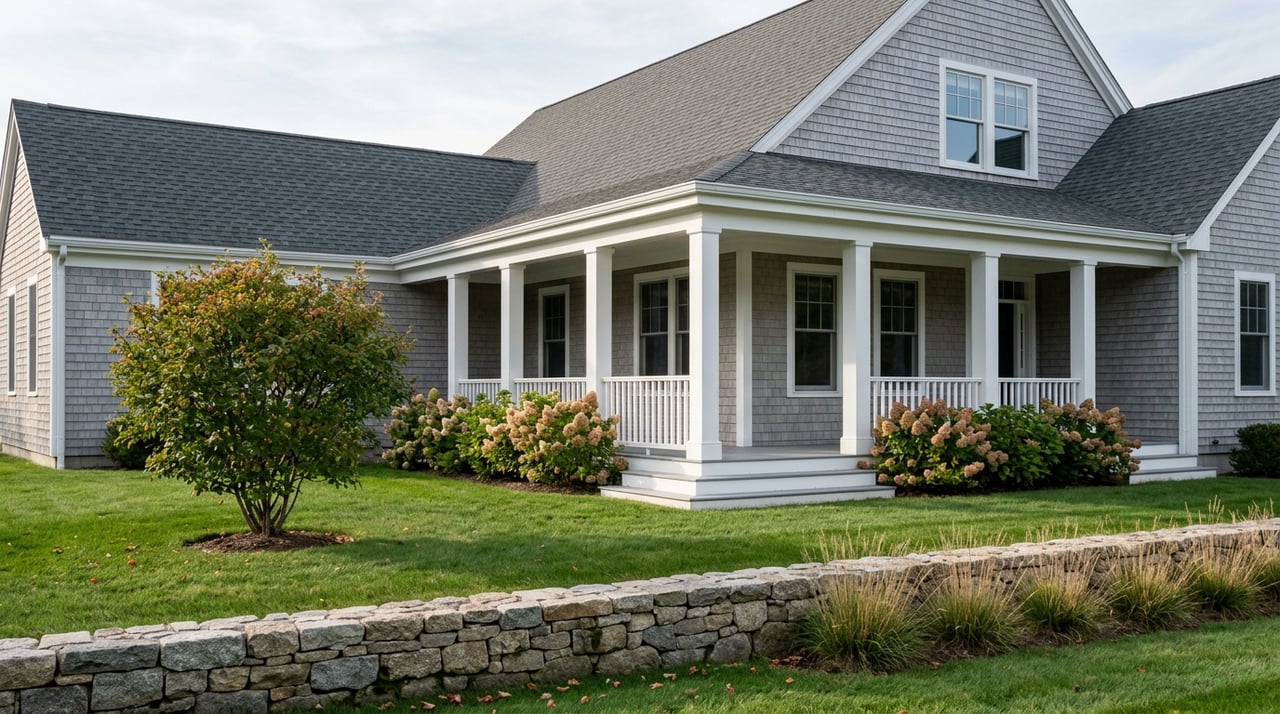
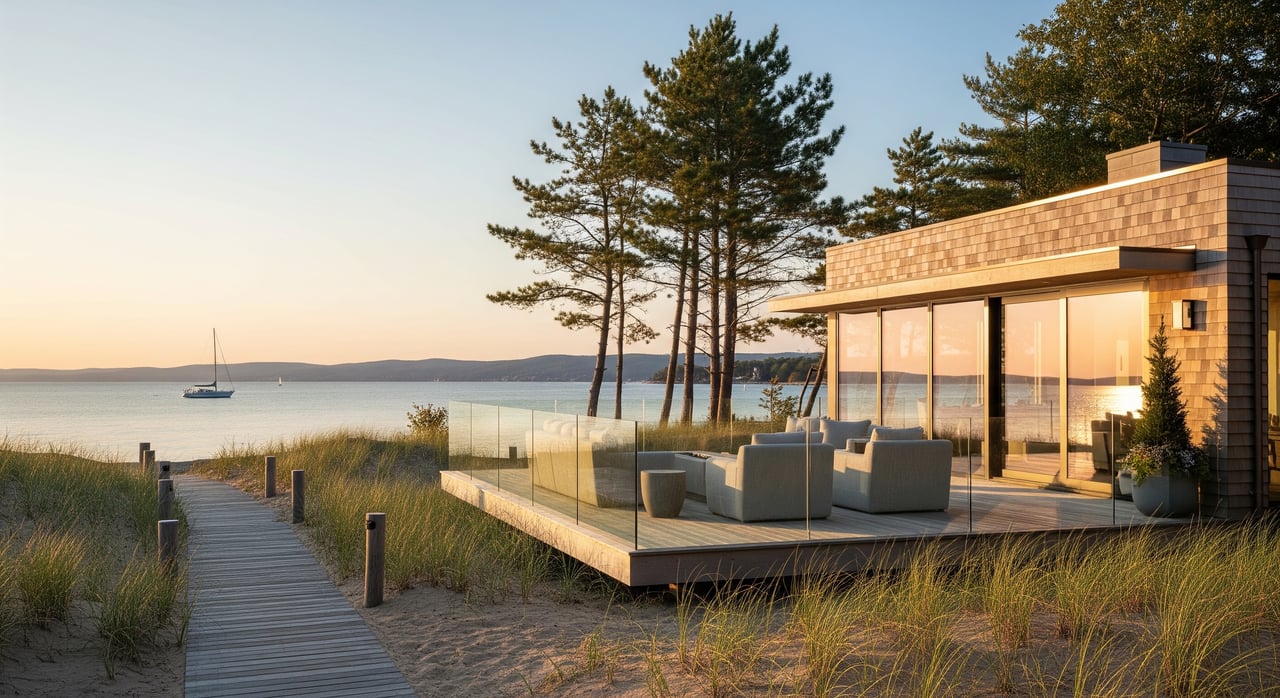
You will notice historic Victorian and Craftsman homes in older neighborhoods and a range of contemporary lake houses and refreshed cottages closer to the water. The variety lets you choose between classic charm and modern coastal style.
Daily life and walkability
Walkable downtown core
Downtown Traverse City is the most walkable hub. You can stroll to coffee, restaurants, galleries, the farmers market, and sandy beaches. Public spaces near the water create an easy, everyday connection to the bay.
Getting around by car, bus, and air
Driving is the primary way to get around, and parking is generally available, though it can be tight during peak summer weeks downtown. Bay Area Transportation Authority offers local bus routes that connect neighborhoods to the core if you prefer to skip the car. For frequent travelers and seasonal residents, Cherry Capital Airport provides commercial flights to larger hubs.
Everyday essentials and services
Grocery stores, healthcare, banking, and professional services cluster downtown and along major corridors. Munson Medical Center serves as the region’s main hospital and a major employer. Schools in city neighborhoods are served by Traverse City Area Public Schools, with private and charter options also available. Always confirm school assignments directly with the district.
Four-season recreation and culture
Summer on the water
When the weather heats up, the bay is the star. Boating, sailing, kayaking, paddleboarding, and swimming are part of everyday life, with public beaches, small boat launches, and marinas that make the water accessible even if you do not own waterfront. Casual picnics and sunset swims are easy weeknight traditions.
Trails and non-motorized access
The TART Trails network links many neighborhoods to the waterfront and regional paths. It is excellent for walking, running, and cycling, and it adds safe, scenic routes that make car-light living more realistic near the bay.
Festivals, food, and harvest season
Summer brings signature events like the National Cherry Festival and the Traverse City Film Festival, which energize the streets and shape business hours. In fall, color tours, apple and cherry harvests, and active wineries create a vibrant weekend scene without losing the relaxed bay pace.
Winter life near the bay
Winters are cold and snowy, and residents lean into it. Cross-country skiing, snowshoeing, and nearby downhill options keep you moving. You will want to plan for snow removal and winterizing your home, especially in bayside pockets that catch wind and drifting snow.
Buyer guide to bay-proximate homes
Pricing realities
Properties with direct water access, views, or very short walks to the shoreline typically command a premium over inland homes. Inventory can feel seasonal as demand peaks in summer and short-term rental pressure influences availability. For current pricing and days on market, use live local data.
Public vs. private shoreline access
Owning a parcel on the bay does not always guarantee unrestricted water use. Dock permits, public easements, and shared shoreline areas may apply. If you plan to boat or install a dock, property-specific review with local planning and state agencies is essential.
Flood risk and insurance
Grand Traverse Bay levels fluctuate with seasons and multi-year cycles, which can affect erosion and localized flooding during storms. Review FEMA flood maps, county floodplain layers, and current shoreline conditions. Flood insurance options depend on elevation and zone designation.
Permits, zoning, and shoreline protections
Shoreline work, like docks, seawalls, or major grading, often requires permits from local government and Michigan state agencies. Local zoning can set setbacks and limit building envelopes near the water. Always confirm rules with the City of Traverse City or Grand Traverse County before you plan improvements.
Utilities: municipal vs. private systems
Homes near the downtown core are more likely to have municipal water and sewer. Peninsula and rural bayfront properties commonly use private wells and septic systems. Septic age and condition are key inspection items, and a well water quality test is a smart step for non-municipal properties.
Seasonal maintenance and operating costs
Waterfront living can come with higher upkeep, including shoreline stabilization and dock care. Winter heating, snow removal, and access on smaller peninsula roads factor into year-round budgets. Plan maintenance well in advance of seasonal shifts.
Short-term rentals and neighborhood impact
Some bay areas see active vacation rental use, which can affect parking and neighborhood quiet hours. Verify local short-term rental regulations and any neighborhood covenants if rental income is part of your strategy or if you prefer a low-transient environment.
Due diligence checklist
- Survey and confirmed property boundaries, including the high-water mark
- FEMA and local floodplain status and elevation details
- Sewer, well, and septic capacity and condition
- Shoreline permits and records for hardscaping or structures
- Environmental notes, such as wetlands and invasive species on docks
- HOA or covenants that affect waterfront use and rentals
- Records of shoreline stabilization or recent repairs
Is bay living right for you?
If you love easy water access, a walkable downtown, and a four-season outdoor life, living near Grand Traverse Bay offers everyday joy. You will balance that with seasonal crowds, winter prep, and thoughtful property research. With clear expectations and a trusted advisor, you can find a home that matches your pace, your priorities, and your budget.
Ready to explore homes near the bay or compare neighborhoods in 49686? Connect with the local team that blends lifetime Traverse City knowledge and concierge-level service. Schedule your free consultation with Craig Real Estate.
FAQs
What is daily life like near Grand Traverse Bay in 49686?
- You can expect quick access to beaches and parks, a walkable downtown core for dining and errands, and four-season recreation with summer on the water and active winter sports.
How do I get around bay neighborhoods without a car?
- Downtown is the most walkable area, public trails expand bike and foot options, and local bus routes connect residential areas to the core when you want to leave the car at home.
Can I install a private dock on Grand Traverse Bay?
- Possibly, but it depends on zoning, shoreline conditions, and permits from local and state agencies. Review property specifics and permitting before you plan any improvements.
Do bay-view and waterfront homes hold value better?
- Waterfront and water-view properties often carry a premium and can retain value, but performance varies with inventory, tourism pressures, and higher maintenance costs. Use current local data for comparisons.
What should I review for flood risk on the bay?
- Check FEMA flood maps, county floodplain layers, and on-site shoreline conditions. Elevation and flood zone status will influence insurance availability and cost.