Deciding between a condo and a house in Traverse City’s 49686 can feel tricky. You want the right fit for your lifestyle, budget, and long-term plans, especially with our four-season climate and strong summer tourism. In this guide, you’ll compare maintenance, HOA fees, privacy, parking, walkability, insurance, and resale so you can move forward with confidence. Let’s dive in.
What makes 49686 unique
Traverse City draws year-round locals, in-state relocators, retirees, and second-home buyers. That mix creates steady demand for both downtown condos and single-family homes, with waterfront and Front Street areas often commanding premiums and moving faster. Inventory can feel tighter than big metro markets, so being clear on your priorities helps you act quickly.
Proximity to downtown, the Boardman River, and Grand Traverse Bay shapes price and lifestyle. Downtown and bay-adjacent buildings offer walkability and access to restaurants and festivals, while outlying neighborhoods and nearby townships deliver larger lots, more privacy, and longer drives. Natural features also matter. Low-lying lakeshore and river-adjacent parcels can carry flood risk, so verifying elevation and hazard maps is a smart early step.
Northern Michigan winters are real. Snow removal, driveway layout, and garage access affect day-to-day ease. In condos, reliable snow service is a key feature, while single-family owners should plan for their own plowing and ice control.
Condo vs house at a glance
- Choose a condo if you value low maintenance, lock-and-leave convenience, and walkability to Front Street and the bay.
- Choose a house if you want yard space, privacy, a garage or workshop, and full control over exterior changes.
- Both can work as primary or seasonal homes. Your ideal fit depends on how you spend time, your budget, and your long-term plans.
Maintenance and responsibilities
Condos typically include exterior upkeep, landscaping, common-area care, and snow removal through the HOA. You handle the interior, but daily chores are lighter, which suits frequent travelers and seasonal owners. In 49686, confirm exactly what winter services are included, since timely plowing is a meaningful quality-of-life factor.
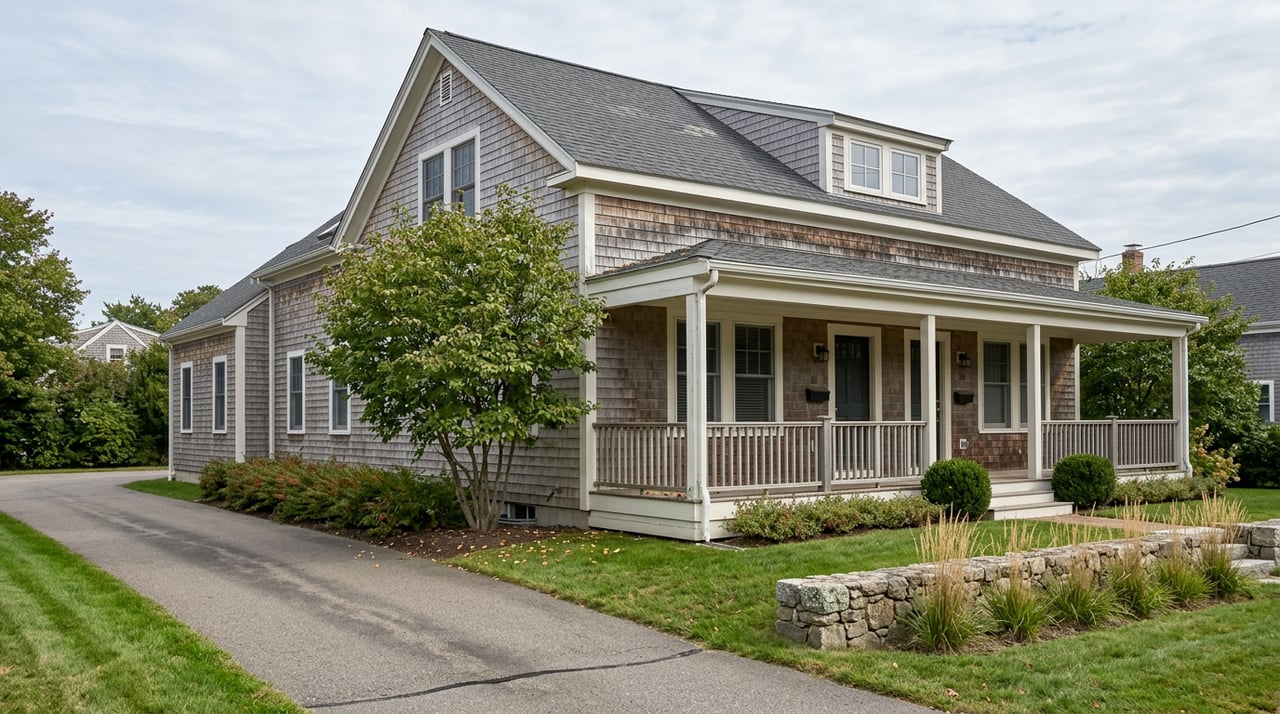
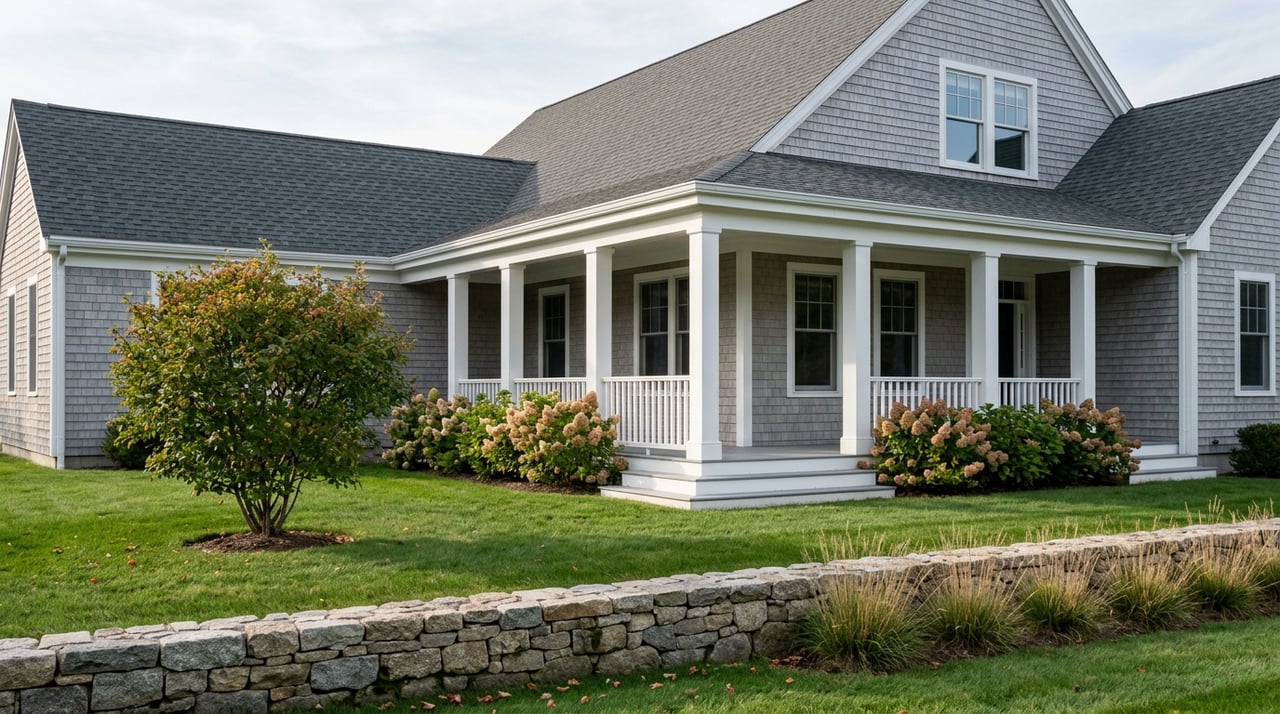
Single-family homes put you in charge of everything outside, from roofs and siding to lawns, driveways, and snow. That adds time and cost, but you also gain control over materials, timing, and improvements. If you enjoy projects or want to customize your property, a house may be the better match.
Monthly costs and fees
Condo HOA dues cover shared expenses like maintenance, reserves, master insurance, and sometimes utilities. Fees vary by building, amenities, and inclusions. Before you buy, request the current budget, any reserve study, minutes from recent meetings, special assessment history, and insurance details, including deductibles.
Many single-family neighborhoods do not have an HOA fee. Your monthly outlay centers on mortgage, taxes, insurance, and utilities, with periodic larger items like roof or mechanicals. You can budget for these, but timing is less predictable than a set monthly condo fee.
Privacy and space
Condos may have shared walls, common corridors, and less outdoor space. You trade some privacy for convenience and walkability, which appeals to buyers who want to be close to dining, shopping, and the waterfront. Townhome-style condos can offer more separation, but still review building layouts and noise transfer.
Houses typically provide more separation from neighbors, private yards, and room for pets or outdoor hobbies. If you want a play area, gardens, or firepit evenings, a single-family home delivers the most flexibility.
Parking and storage
Condo parking varies widely. You might have assigned surface spaces, a shared garage, or rely on municipal options in downtown buildings. Confirm guest parking and how winter street-parking rules are enforced, since city snow operations affect where and when you can park.
Houses usually include a driveway and garage, which helps if you have multiple vehicles, a boat, or a trailer. Storage for gear and seasonal items is generally easier in a single-family setup.
Location, walkability, and the bay
Condos near downtown put you close to Front Street restaurants, waterfront parks, and cultural events. If you picture morning coffee walks and evenings by the bay, this setting fits well. The trade-off is often reduced space and higher price per square foot.
Single-family homes exist within city limits too, but many options spread into nearby neighborhoods and townships. You gain more space and privacy, though commuting and errands may involve longer drives.
Insurance and risk
Condo owners typically carry an HO-6 policy for interior finishes and personal property, while the HOA insures the building and common elements. Understand coverage gaps and how master policy deductibles are handled. Ask who pays if a building-wide claim occurs and how that cost is shared.
House owners carry full structure coverage and may need flood insurance if the parcel sits in a FEMA-designated special flood hazard area. In waterfront or river-adjacent locations, verify the flood zone, elevation, and any local restrictions before you commit. Request quotes early so you can compare true monthly costs.
Resale and rental rules
Condos in seasonal markets can attract second-home buyers and investors, though some associations limit rentals or short-term rentals. Those rules directly shape your buyer pool at resale. Ask about owner-occupancy rates, rental caps, age restrictions, and any pending rule changes.
Houses tend to appeal to the broadest audience, including local families and retirees. Waterfront and downtown locations can be especially competitive. If you plan to rent, verify both local ordinances and neighborhood or HOA rules.
Condo due diligence checklist
Documents to obtain
- Declaration or master deed
- Bylaws and rules
- Current budget and recent financials
- Reserve study, if available
- Board meeting minutes for the past 12 to 24 months
- Insurance certificate and deductible summary
- Litigation or claims list
- Special assessment history and any planned projects
- Rental and short-term rental rules
- Owner-occupancy and investor concentration
Financial and governance items
- Monthly dues amount and inclusions like heat, water, trash, snow removal, and exterior insurance
- Reserve fund strength relative to building age and upcoming capital needs
- Frequency and size of past special assessments
- Professional management versus self-managed
- Voting structure for changes to dues, assessments, and rules
Insurance and repair responsibilities
- Exact division of coverage between your HO-6 and the association’s master policy
- Responsibility for master policy deductibles after a claim
- For older or historic buildings, capital plans for roof, exterior cladding, windows, and mechanicals
Legal and local checks for both
- Zoning and short-term rentals: Traverse City and Grand Traverse County regulate rentals, accessory units, and home-based uses. Confirm current ordinances and any required permits.
- Flooding and shoreline: Verify FEMA flood maps and the county’s GIS for flood zones, and check state permitting for docks, seawalls, and wetlands.
- Sewer, septic, and utilities: Confirm city services versus well and septic. If septic applies, inspect and get maintenance records. Confirm natural gas availability or plan for propane in some outlying areas.
- Parking and snow: Review municipal snow emergency rules and downtown parking regulations.
- Taxes and assessments: Check parcel-specific taxes and whether any special assessments or planned improvements could affect costs.
Decision guide: match to your lifestyle
Choose a condo if
- You want low-maintenance, lock-and-leave convenience with reliable snow removal.
- You prioritize walkability to Front Street, dining, and the bay.
- You will be away seasonally and prefer managed common areas.
Choose a house if
- You need yard space, privacy, and a garage or workshop.
- You want control over exterior changes and long-term remodeling.
- You may need more living space or want the broadest buyer pool at resale.
Budget planning tips
Compare the full monthly picture. For condos, stack mortgage, taxes, HO-6, and HOA dues against what the dues cover. Request five-year HOA projections and ask about upcoming capital projects. For houses, model mortgage, taxes, HO-3, utilities, and a realistic maintenance reserve for items like roof, HVAC, and windows.
Get insurance quotes early, including flood where relevant. If you plan to rent, factor in local and HOA rules and any registration or inspection fees. A clear side-by-side helps you choose with your head and your heart.
Inspection and contingencies
For condos, review common-element condition, parking structures, exterior cladding, and roofs, and read board minutes for planned repairs. For houses, order a full home inspection, and if applicable, septic inspection and well water testing. For both, verify flood zone status, utility availability, and obtain firm insurance quotes before removing contingencies.
Community and daily life
If schools matter, verify district boundaries for specific addresses. Consider your daily routes to work, healthcare, and groceries, as well as your seasonal lifestyle. Summer activity and tourism can influence HOA rules, parking patterns, and neighborhood feel, so think about how you want your home to live year-round.
Ready to compare real options in 49686? Our local team can help you weigh maintenance, costs, location, and resale to find the right fit. Connect with Craig Real Estate to schedule your free consultation.
FAQs
How much are condo HOA fees in Traverse City?
- Fees vary by building and inclusions. Request the current budget, reserve status, and special assessment history to understand true monthly and long-term costs.
Are downtown Traverse City condos eligible for short-term rentals?
- Some are, but both city ordinances and individual HOA rules control rentals. Verify current regulations and any required permits before you purchase.
Do condos in 49686 include snow removal and heat?
- Many include common-area snow removal. Utilities like heat or water may be included or separate, so confirm exactly what a specific HOA covers.
Which is better for families in Traverse City: a condo or a house?
- Houses typically offer more space, yard, and privacy, which many families prefer. Some townhome-style condos can also work, depending on layout and outdoor access.
Are waterfront condos riskier than houses for flooding in 49686?
- Waterfront properties of any type can face flood risk and higher insurance needs. Check FEMA flood zones, elevation, and protective measures, and get insurance quotes early.
What hidden condo costs should I watch for in Traverse City?
- Potential special assessments, master policy deductible exposure, parking fees, and rental restrictions that affect income or resale. Review financials, minutes, and insurance details closely.