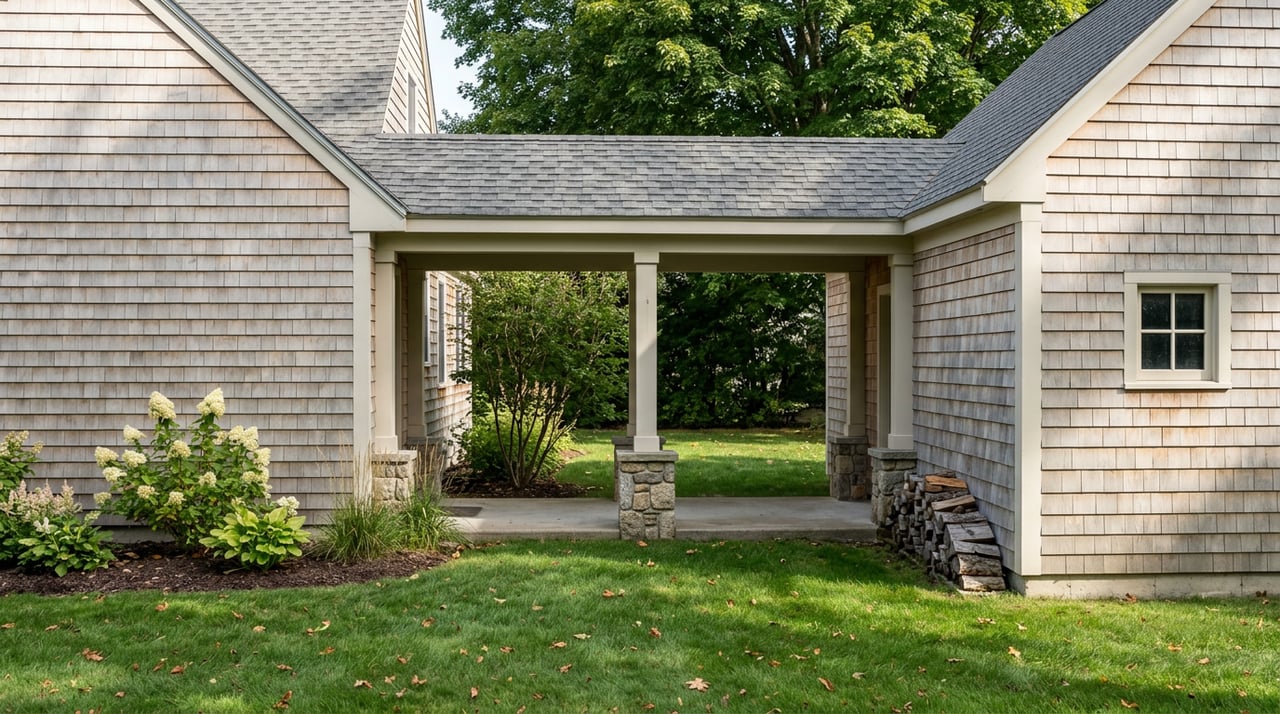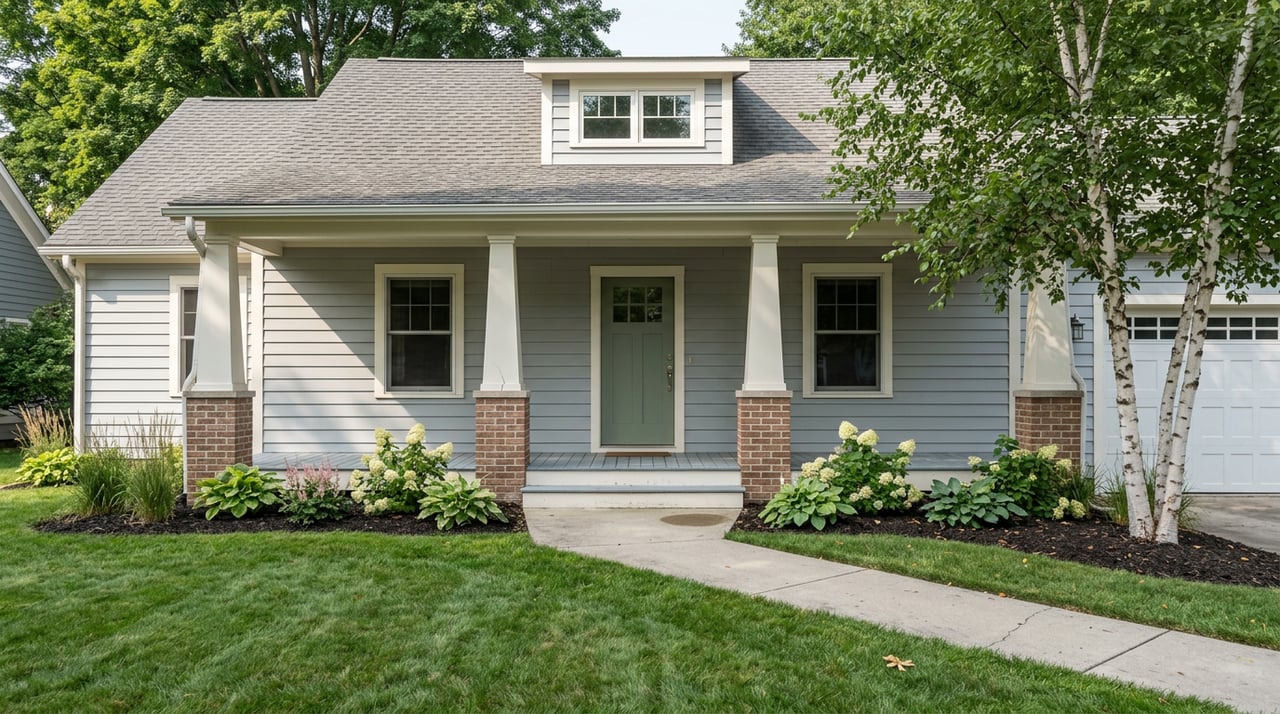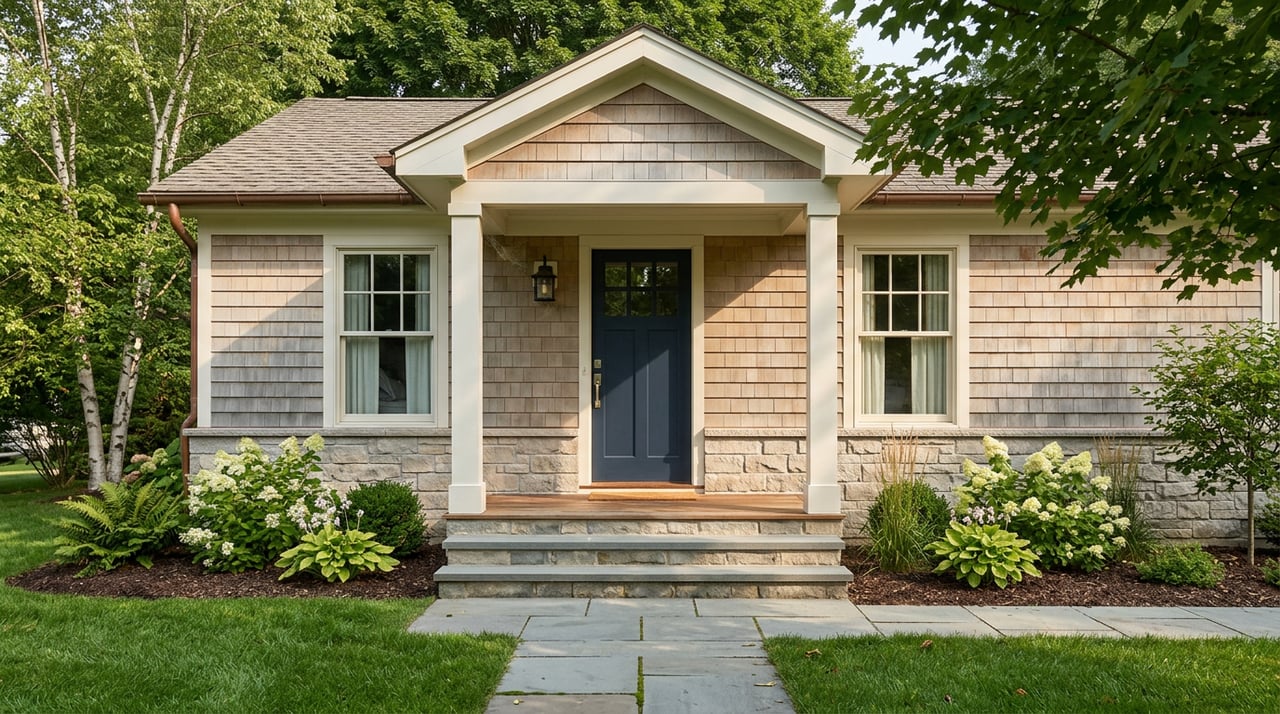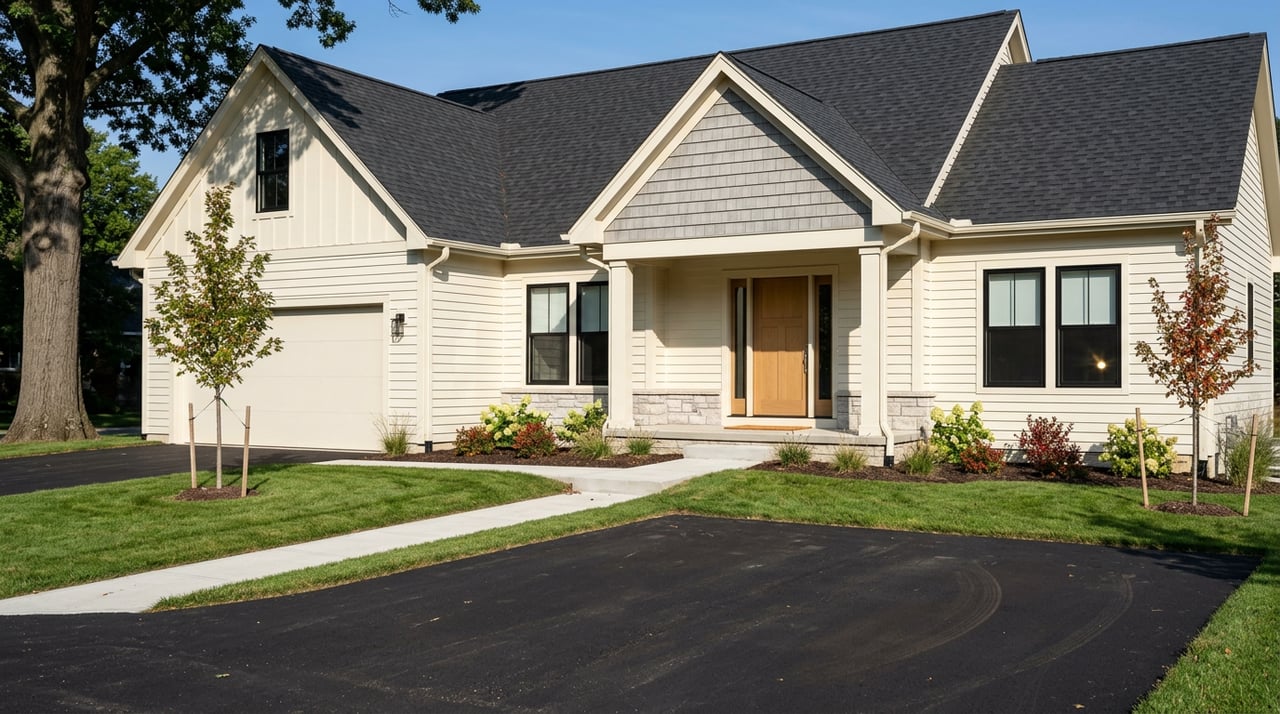
Building from the ground up or buying a move-in ready home in Williamsburg can both be smart moves. The challenge is knowing which option fits your timeline, budget, and lifestyle in Whitewater Township. You deserve clear answers about permits, utilities, weather, and financing before you decide. This guide compares new construction and existing homes with local specifics so you can move forward with confidence. Let’s dive in.
Local basics that shape your choice
Williamsburg sits in Whitewater Township, where planning is guided locally and most building permits run through Grand Traverse County’s Construction Code department. You will use the county’s EPIC-GT system for permits and inspections, and plan review adds time before ground breaks. Review current process details on the county’s Construction Code page and the EPIC-GT Self-Service Portal.
Utilities are another key local driver. Whitewater Township’s master plan notes there is no general public sewer system in the township, aside from the Grand Traverse Band’s Turtle Creek Casino system. Most buildable lots rely on private septic and well. That affects site work, permitting steps, and cost. Always verify a parcel’s service status and soils before you buy by reviewing the Whitewater Township master plan and coordinating septic and well permits through the county’s environmental health team in EPIC-GT.
New construction: what to expect
New construction gives you modern systems, energy-efficient design that meets current codes, and the ability to choose floor plans and finishes. Many builders offer a warranty structure often called 1-2-10: one year on workmanship and materials, two years on major systems, and 10 years on structural items. Ask for the full warranty booklet and a third-party carrier if provided, such as those described by 2-10 Home Buyers Warranty.
Site preparation is a bigger factor here than in metro areas with widespread municipal utilities. If a lot does not have public sewer and water, you will likely need a septic system, a private well, and possibly soils remediation. Driveway permits and grading for frost protection are routine site costs in northern Michigan. Check requirements through the county’s EPIC-GT portal.
Timelines in Grand Traverse weather
Once permits are approved, on-site build times vary by product type:
- Modular or prefab homes are typically fastest after delivery, often completed within a few months on site in favorable conditions.
- Tract or production builds commonly take 6 to 10 months from foundation to finish.
- Custom stick-built homes often run 7 to 12 months or longer depending on design complexity, finish selections, weather, and subcontractor availability.
These are industry benchmarks, and northern Michigan winters can compress the outdoor construction season. Budget extra time for weather and for plan review through the county. For a national overview of timelines, see this build-time explainer from Dunn & Stone Builders.
Costs, upgrades, and incentives
Builders advertise a base price, then quote upgrades and options on top of that. Plan a contingency for change orders and finish upgrades. In some markets, builders also offer incentives such as mortgage rate buydowns, closing-cost contributions, or design credits to help move inventory. Large builder earnings calls in 2024 noted the use of buydowns and promotions, which can be time sensitive and negotiated case by case.
Financing and appraisals for new builds
Construction financing works differently than a standard mortgage. You may use a construction-to-permanent loan that converts to a regular mortgage after completion, often with interest-only payments during the build. Government-backed options like FHA’s One-Time Close can bundle construction and permanent financing into one closing. Discuss requirements with a lender experienced in construction loans and review what documentation your builder must provide. Learn about one-time-close options at FHA.com and see a general overview of construction loan mechanics from U.S. Bank.
Appraisals for new construction typically use the to-be-completed value based on plans, specs, and comparable new homes. Lenders will order inspections to approve construction draws, which can affect timing.
Existing homes: what to expect
Resale homes in Whitewater Township often sit on mature lots with established trees and landscaping. You can move in on a clear timetable, then renovate over time. Neighborhoods already have road maintenance patterns and access to local amenities like parks and community services referenced on Whitewater Township’s site.
Maintenance and immediate costs
Older homes can need near-term replacements, such as a roof, furnace or boiler, windows, septic system components, or electrical updates. A common planning rule is to reserve roughly 1 to 2 percent of a home’s value each year for maintenance and repairs, pushing toward the higher end for older properties or deferred items. This guidance is summarized by The Balance. A thorough home inspection helps you prioritize what to handle first.
Renovation and permitting
If you plan an addition, major system changes, or septic replacement, check permit requirements with the county. Submitting plans through the Construction Code department ensures your updates meet current code. This step protects value and can simplify future resale.
Market signals to keep in mind
Inventory and pricing fluctuate month by month, and different data providers report different snapshots. Recent 2024 to 2026 aggregator snapshots for Williamsburg’s 49690 area show median values that vary by data source and methodology, which is typical. Realtor.com and Zillow often report different medians at the same time because of unique geographies, rolling averages, and sample sizes. Use these sources for directional context and verify the most current month’s data when you get serious about a specific property.
Local reporting also shows that new single-family permits in Grand Traverse County tend to rise and fall seasonally, often ranging in the tens per month. That pattern supports planning your build start around weather and contractor availability. For background on recent swings and development context, see local coverage from Traverse Ticker.
Side-by-side: quick pros and cons
New construction
Pros
- Choose your floor plan, orientation, and finishes for a tailored fit.
- Built to current energy and building codes, which can lower early utility and repair costs.
- Often includes a builder-backed warranty, commonly a 1-2-10 structure. See examples at 2-10 HBW.
Cons
- Longer timeline. Between plan review and weather, expect 6 to 12 months or more depending on type and season. Get a written schedule with contingencies. See industry timing context from Dunn & Stone Builders.
- Site costs for septic, well, soils, and driveways if no municipal service is available, which is common per the township master plan.
- Upgrades add to the base price and incentives can change quickly.
Existing homes
Pros
- Immediate occupancy and the character of established lots and neighborhoods. Explore local amenities on Whitewater Township’s site.
- Flexibility to renovate over time and the potential to negotiate on price depending on days on market.
Cons
- Near-term replacements may be needed on major systems or components. Budget 1 to 2 percent of value annually for upkeep per The Balance.
- Fewer built-in modern energy and accessibility features unless recently updated.
Permits, utilities, and timing checklist
Use this local checklist to compare building versus buying:
- Utilities and soils: Confirm if a parcel has municipal water or sewer. If not, ask for septic and well requirements, soil or perc tests, and estimated costs. Start with the township master plan and the county’s EPIC-GT portal for septic/well permits.
- Permitting steps: Review who issues building permits and current plan review timing through the county’s Construction Code page.
- Winter readiness: Ask your builder for a dated, written schedule that includes weather contingencies and county review buffers. For resales, build in time for inspections and possible seller repairs. See general build-time context from Dunn & Stone Builders.
- Warranties: Request the full builder warranty booklet, coverage terms, and transfer rules. A 1-2-10 setup is common. Learn more via 2-10 HBW.
- Financing plan: Talk with a lender about construction-to-permanent versus construction-only loans, interest-only payments during the build, and any builder rate buydowns. Start with FHA’s one-time close overview.
- Ongoing costs: For resales, use the 1 to 2 percent annual maintenance rule of thumb to compare to the likely lower short-term upkeep on a new build. See The Balance.
How to choose with confidence
Start with your non-negotiables: timing, land or neighborhood preference, and monthly budget. If you need to move in soon or want an established setting, an existing home may be the better fit. If you want a tailored layout, modern systems, and long-run efficiency, new construction can be worth the wait.
Next, get specific. If you are leaning toward building, confirm utilities and soils early, line up a builder and lender, and plan for winter. If you prefer an existing home, sharpen your inspection strategy, pricing, and near-term maintenance plan. In either case, lean on local permitting guidance from the county and township so you know exactly what to expect.
When you are ready to compare real properties and land opportunities, connect with a local team that understands both paths in Williamsburg and the broader Grand Traverse corridor. You will get practical options and a clear timeline tailored to you. If you want a trusted, high-touch partner, start with Craig Real Estate for a friendly, no-pressure consultation.
FAQs
What should I know about septic and well systems in Williamsburg?
- Whitewater Township does not have a general public sewer system, so many lots rely on private septic and well. Verify soil tests and permit requirements through the county’s EPIC-GT portal before you buy.
How long does it take to build a home in northern Michigan?
- After permits, modular can be a few months on site, production builds often 6 to 10 months, and custom homes 7 to 12 months or more, with winters extending schedules. See timing context from Dunn & Stone Builders.
Who handles building permits for Williamsburg projects?
- Grand Traverse County’s Construction Code department manages permits and inspections for Whitewater Township via EPIC-GT, with plan review timelines that add several weeks. Start on the county Construction Code page.
Do new homes come with warranties, and what do they cover?
- Many builders provide a 1-2-10 style warranty covering workmanship and materials for one year, systems for two years, and structural items for 10 years. Ask for the full booklet and carrier details like those noted by 2-10 HBW.
What financing is available for new construction vs resale?
- New builds often use construction-to-permanent loans with interest-only payments during construction. FHA and VA offer one-time-close options. Resales usually use conventional, FHA, or VA purchase loans. Learn basics at FHA.com.
How do appraisals work for new construction?
- Lenders use the completed value based on plans, specs, and comparable new homes, and they require draw inspections during the build. For resales, appraisals rely on recent comparable sales. See a general overview via U.S. Bank.
What annual maintenance budget should I plan for an older home?
- A common guideline is 1 to 2 percent of the home’s value per year, leaning higher for older properties or those with deferred maintenance. This rule of thumb is summarized by The Balance.