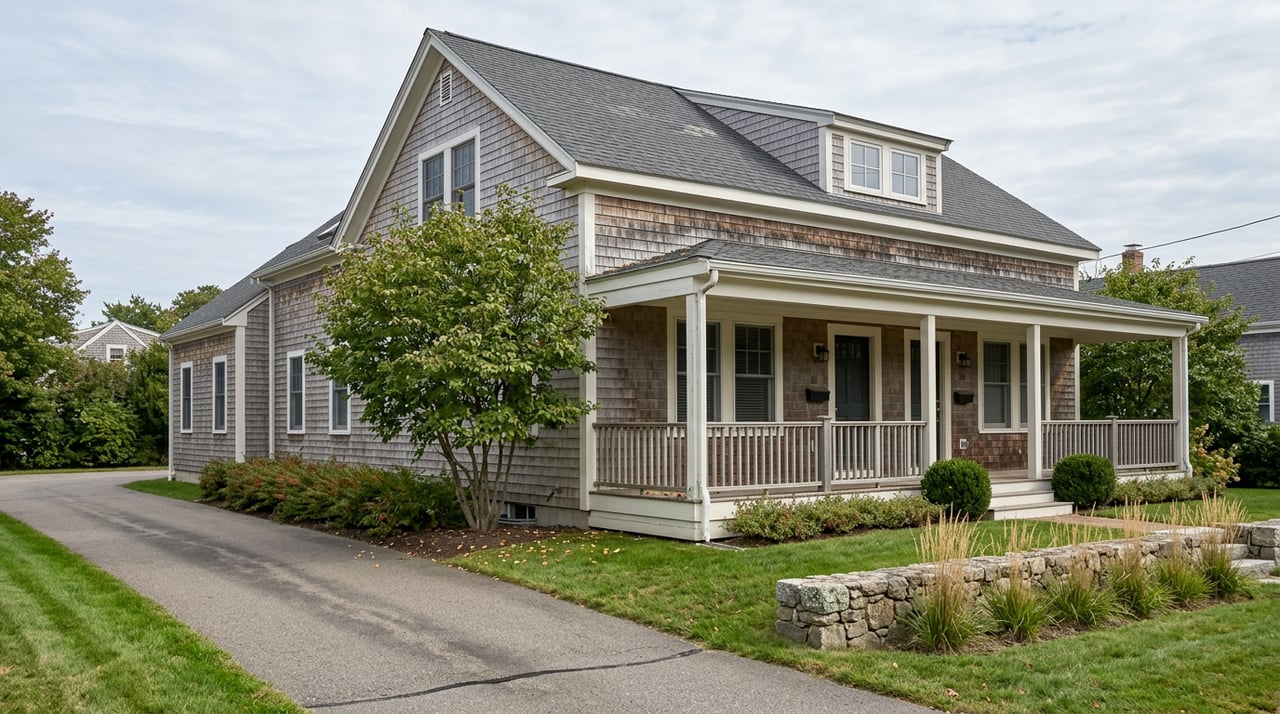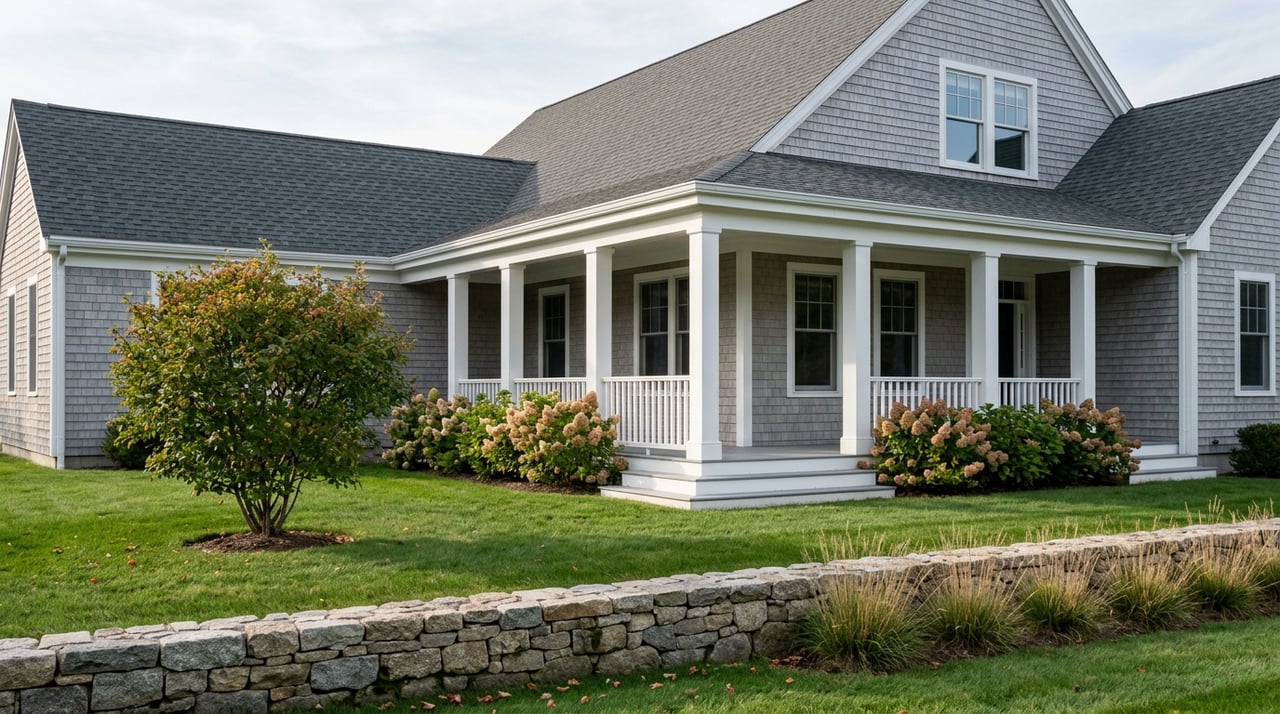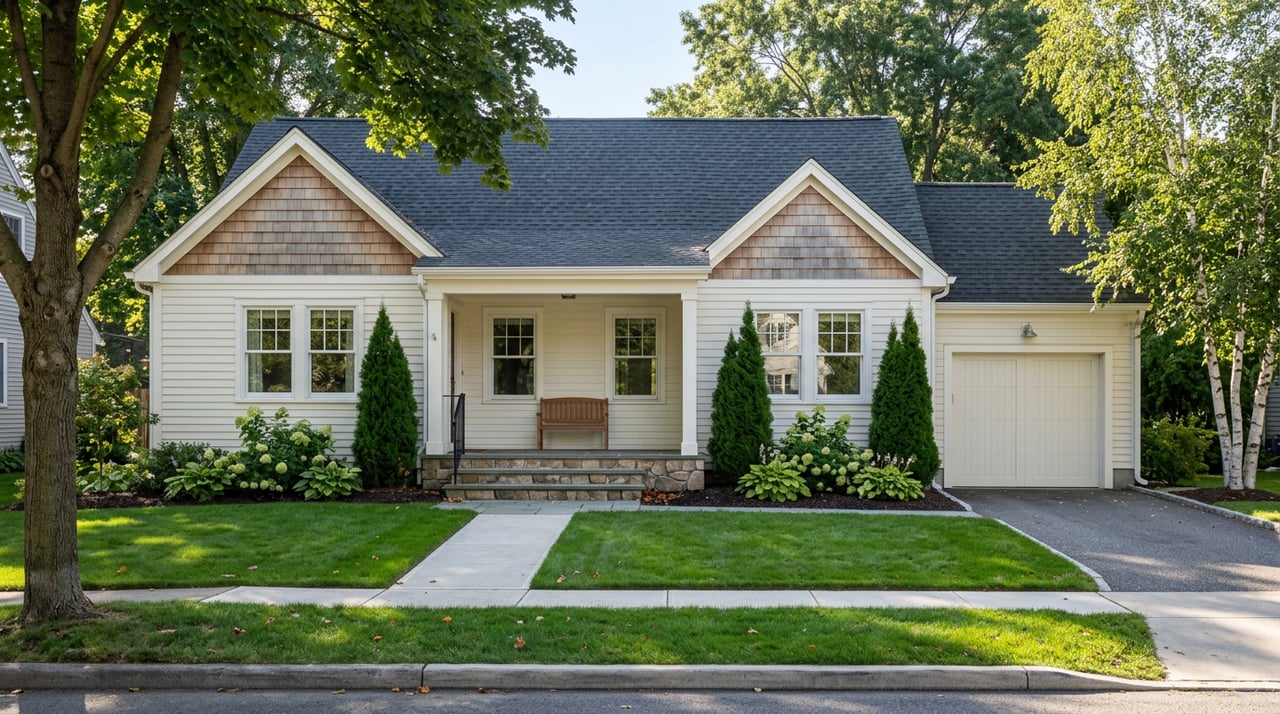
Dreaming of a summer base on East Grand Traverse Bay where you can boat in the morning and stroll to dinner at sunset? If Elk Rapids is on your radar, you’re not alone. Buying a second home here can be rewarding, but the details around location, harbor access, taxes, and seasonal upkeep matter. This guide walks you through the key decisions, costs, and steps so you can buy with confidence. Let’s dive in.
Confirm the right Elk Rapids location
Start with the basics. Elk Rapids is a small lakeside village in Antrim County with a population around 1,529 and a compact, walkable downtown near the harbor and beaches. For mailing and property records, the village uses ZIP code 49629. The 49690 ZIP is Williamsburg, a nearby but different community in Grand Traverse County. That difference can impact your tax bill, services, and any rental rules, so verify the exact municipality on any listing you like. You can confirm village resources and contacts through the Village of Elk Rapids website and review a quick location overview on Wikipedia.
Lifestyle fit: village vibe and water time
What Elk Rapids life feels like
If you picture coffee on the dock, beach time in the afternoon, and dinner in a small downtown, Elk Rapids fits well. The village core offers restaurants, galleries, shops, and a farmers’ market within a short walk of harbor and beaches. Living near downtown means more easy “village time” and quick access to services and events. Explore local highlights on the Village of Elk Rapids site.
Water access options
Not all “water access” is the same. You will find private shoreline with potential for a dock, association or shared beachfront, and convenient public beaches and launches. Some second‑home owners do not own shoreline but keep a boat in the village harbor. Harbor slip access is managed separately by the village and often involves a reservation or wait list. Review harbor details at the Edward C. Grace Memorial Harbor page.
Seasonality and use patterns
Summer is peak season with festivals, warm water, and lively sidewalks. May and September offer quieter shoulder seasons with easier reservations. Winters are calm and beautiful, but you will need a winterization plan and reliable snow access if you visit. Expect heavier summer use unless you plan for winter recreation.
Lake access and boating logistics
Harbor basics
The village operates Edward C. Grace Memorial Harbor with 213 slips on Grand Traverse Bay and additional slips on Elk Lake. Amenities include a fuel dock, pump‑out, and both bay and Elk Lake ramps. Transient docking and seasonal slips are administered by the Harbor Office during the boating season, typically mid‑May through mid‑October. Start with the harbor overview to understand services and seasonal timing.
Slip fees and the waiting list
If boating is central to your plan, factor slip access into your search. The village publishes seasonal slip rates and a wait‑list process. As an example, the village’s 2022 rate sheet lists roughly 25 to 30 foot slips around $2,820 for the season, with larger slips priced higher. There is also a non‑refundable waiting‑list application fee. Review current rules and example rates in the village’s harbor wait‑list and rules PDF, and confirm whether any existing slip or list position can transfer with a property.
Public beaches and parks
For easy water time without owning shoreline, the village maintains Day Park, Dam Beach, and Veterans Memorial Park. These are great for guests and for marketing a walk‑to‑water lifestyle if you plan occasional rentals. See locations and amenities on the Parks and Facilities page.
Costs to plan for a second home
Property taxes in Michigan
Michigan taxes are based on “taxable value,” which is generally capped each year at the lesser of 5 percent or inflation. After a sale, that cap is removed and the taxable value resets. Second homes also do not qualify for the state’s Principal Residence Exemption. Many out‑of‑area buyers are surprised by the post‑sale tax jump, so ask for recent tax bills and run estimates before you offer. The Michigan Department of Treasury explains these rules in detail in its property tax report. Local millages vary by parcel, so verify exact rates with the village or county.
Insurance and risk
Waterfront homes often carry higher premiums. If a property lies within a FEMA flood zone, your lender may require flood insurance, which will increase annual costs. Ask your insurer for quotes that include wind and flood endorsements, and confirm the home’s flood zone status before you finalize terms.
Utilities, septic, and wells
Some village locations are served by municipal water and sewer. Others rely on private wells and septic systems. Fuel sources can be natural gas, electric, propane, or oil. Confirm hookups, age and condition, and any seasonal shut‑down procedures during your inspection period.
Winterization and ongoing upkeep
Seasonal owners commonly budget for annual winterize and de‑winterize service, periodic check‑ins, and on‑call vendors. If you plan to operate the home remotely, a local property manager can handle winter prep, access, and vendor coordination. Review a local service overview to get a feel for offerings and pricing, such as Schmidt‑Rogers’ property management page. A conservative approach is to set aside funds each year for routine maintenance and longer‑term replacements.
Harbor and dock costs
If you plan to keep a boat locally, include harbor fees in your annual budget. The village’s published 2022 rates show seasonal slip pricing that scales by vessel length, plus a non‑refundable waiting‑list application fee. Compare these figures with any private options you consider. You can verify categories, fees, and rules in the harbor wait‑list PDF.
Market snapshot and how to compete
Elk Rapids has a relatively small inventory and mixed price points, from in‑town cottages to substantial lakefront. Portal snapshots change quickly, but recent views show median values in the mid 400 thousand range. Use a live market page like Zillow’s Elk Rapids overview for a current read, then confirm with local MLS data through your agent. Expect seasonality and competition for listings that are turnkey, waterfront, or walkable to the village.
Shop from afar with confidence
- Hire a local buyer’s agent experienced in Antrim County and village or township zoning. Ask for recent comps, seasonality insights, and guidance on timing.
- Visit at least once in peak season and once in shoulder or winter, if possible. If not, arrange a live video tour and lean on third‑party inspections.
- Always include a home inspection. Add septic and well inspections if applicable, plus a shoreline or dock inspection for waterfront parcels.
- If rentals are part of your plan, add a contingency to confirm local permit or registration needs before you proceed.
- Use a local title company for closing and confirm how Michigan tax prorations work.
If you plan to rent occasionally
Demand and seasonality
Elk Rapids is a classic high‑season leisure market. Third‑party data suggest typical occupancy in the 50 to 60 percent range with strong summer performance. Treat this as context, not a guarantee, and build conservative pro formas with lower shoulder and off‑season occupancy. You can see a sample data view on Airbtics’ Elk Rapids page.
Local rules and tax compliance
Short‑term rental policies are set at the village or township level and can vary across Northern Michigan. Before you buy, ask the village or township zoning office if whole‑house short‑term rentals are permitted at the specific parcel, and confirm any permits or registrations. It is an active policy area in the region, as illustrated by nearby township planning discussions like this public packet example. Plan to collect and remit any required state or local lodging or use taxes.
Management and margin
Full‑service managers can handle marketing, guest services, and turnovers. Common fee ranges are roughly 18 to 35 percent of booking revenue, with cleaning and supplies often passed through separately. When you model returns, focus on net income after management, cleaning, utilities, taxes, insurance, and a maintenance reserve.
Quick buyer checklist
- Confirm the exact jurisdiction and ZIP. Elk Rapids village uses 49629. The 49690 ZIP is Williamsburg. Use the Village of Elk Rapids site for local contacts.
- Ask for the most recent tax bill and confirm sewer or water status. If near the water, check whether the lot is in a FEMA flood zone. Review Michigan’s rules on taxable value and exemptions in the state’s property tax report.
- If boating matters, contact the Harbor Office to learn current seasonal slip availability, fees, and wait‑list rules. See the village’s wait‑list and rules PDF.
- Line up inspections: home, septic and well if present, and shoreline or dock.
- Get insurance quotes that include wind and flood endorsements, plus a local property management quote if you plan remote operation. A local overview like this management page shows typical services.
- If rental income is part of your plan, confirm zoning and permits with the village or township and include taxes in your pro forma. Regional discussions, such as this township packet example, show how local rules can vary.
Final thoughts and next steps
Elk Rapids delivers a rare blend of harbor, beaches, and a walkable village that works beautifully for second‑home living. The keys are to verify the right location, plan for harbor logistics if you boat, understand Michigan taxes, and budget for seasonal upkeep. With clear expectations and local guidance, you can secure a place that fits how you want to use it year after year.
If you are ready to explore listings or want a personalized plan, reach out to the local team that knows Northern Michigan waterfront inside and out. Schedule your free consultation with Craig Real Estate.
FAQs
What is the difference between Elk Rapids and the 49690 ZIP for second‑home buyers?
- Elk Rapids village uses ZIP 49629 in Antrim County, while 49690 is Williamsburg in Grand Traverse County. That distinction can affect taxes, services, and any rental rules, so verify the exact municipality on each property.
How do Michigan property taxes work for Elk Rapids second homes?
- After a sale, taxable value typically resets under state rules and can raise your bill. Second homes do not qualify for the Principal Residence Exemption. Review the state’s guidance in the Treasury’s property tax report and confirm parcel‑specific millages.
What should I know about harbor slips and boating in Elk Rapids?
- The village operates Edward C. Grace Memorial Harbor with seasonal and transient options managed by the Harbor Office. Seasonal slips have published fees and a waiting list, so start early and confirm current availability and rules with the village.
Can I use an Elk Rapids second home for short‑term rentals?
- Possibly. Short‑term rental rules are set by the village or township and vary across the region. Before you buy, confirm whether STRs are allowed at the parcel, what permits or registrations are required, and how lodging or use taxes are handled.
What are typical winterization needs for Elk Rapids second‑home owners?
- Plan to shut off or protect water lines, maintain safe heat levels, and arrange snow access. Many owners hire a local manager for winterize and de‑winterize service and periodic check‑ins, then budget for routine maintenance and long‑term reserves.