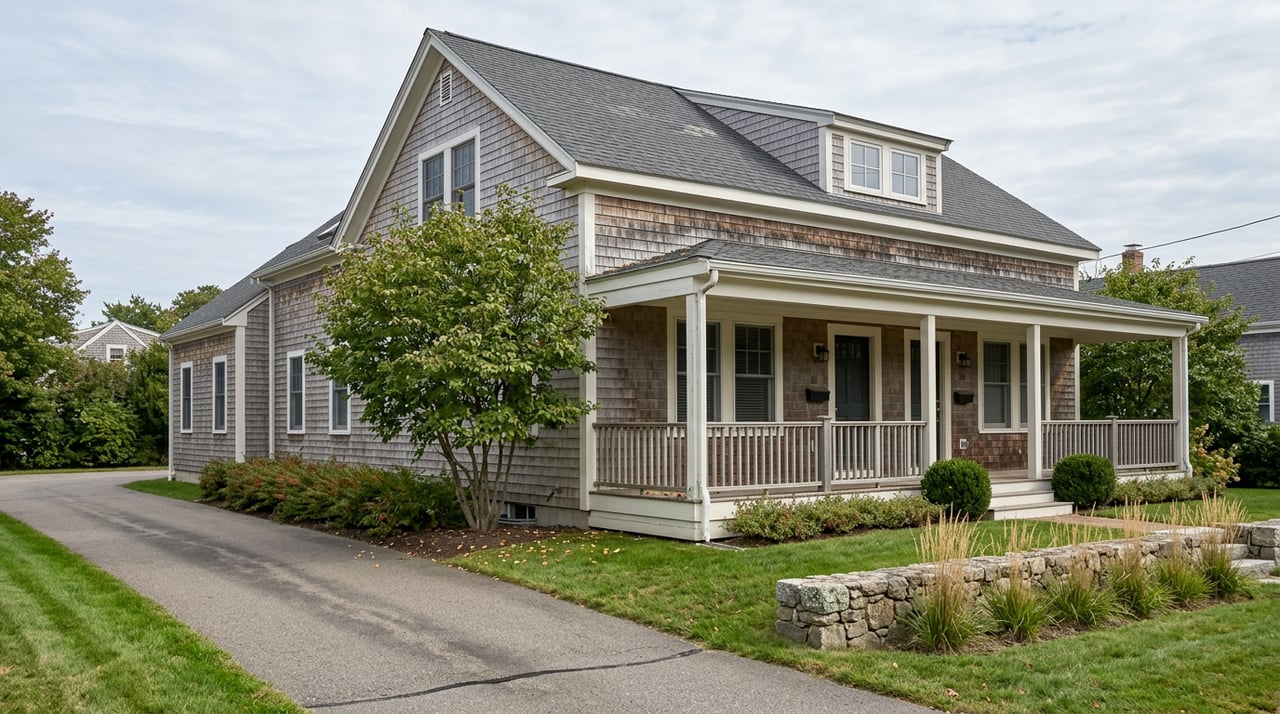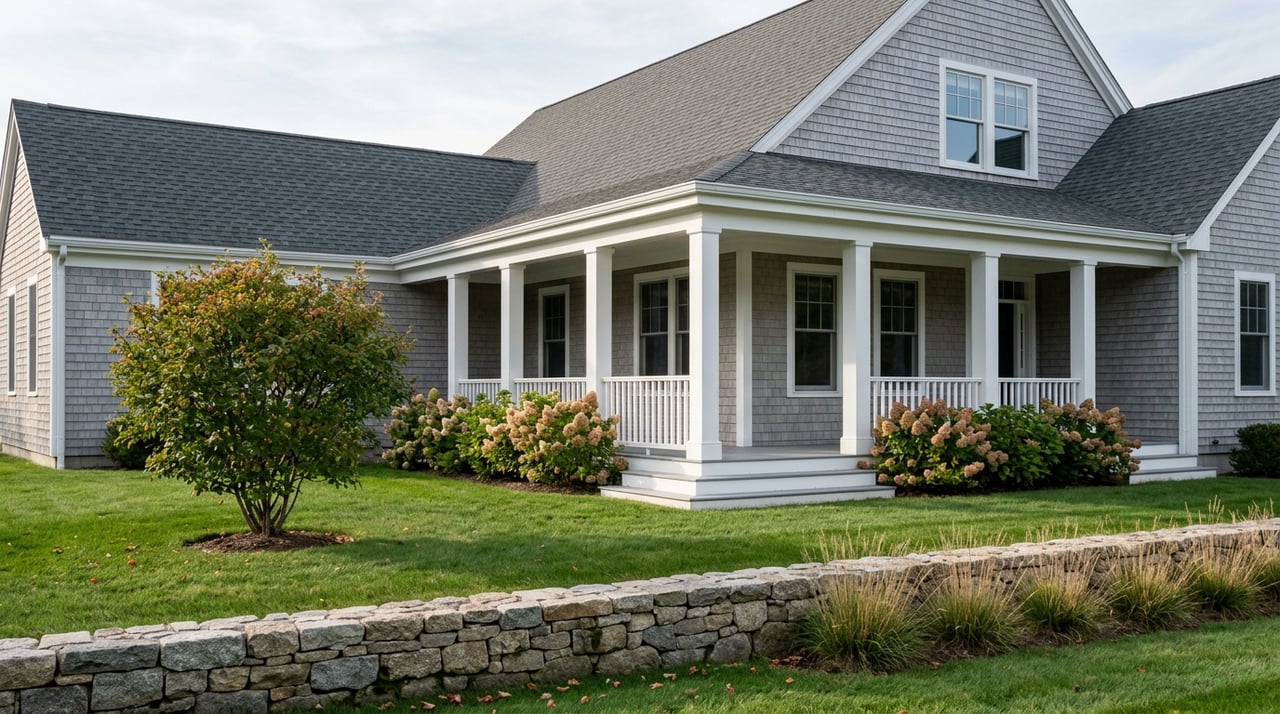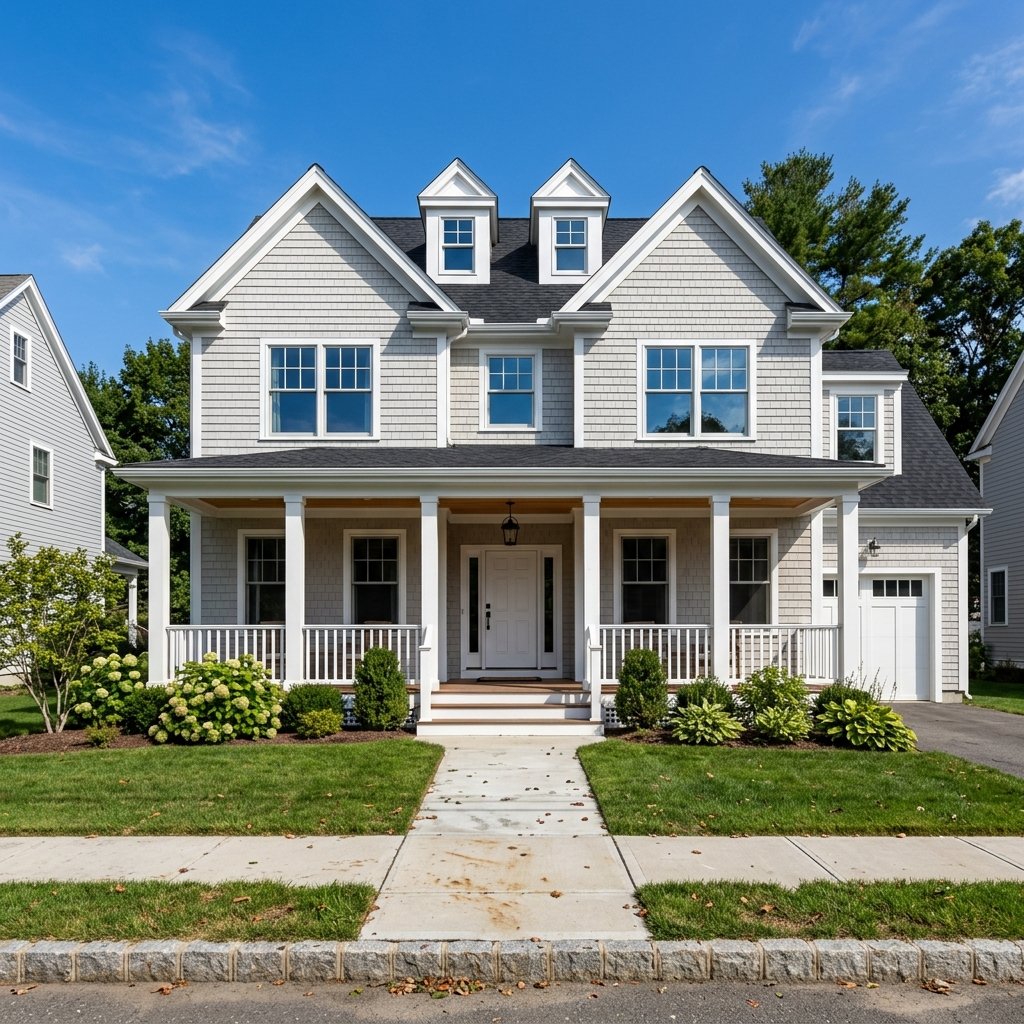
If you are torn between a home with land and a home in a neighborhood, you are not alone. In Grand Traverse County, that choice can shape your daily routine just as much as your square footage or price point. The good news is that each option offers clear advantages, and when you understand the local tradeoffs, the right fit becomes much easier to spot. Let’s dive in.
What This Choice Looks Like Locally
Grand Traverse County covers 464 square miles and includes Traverse City, 13 townships, and several villages. That wide footprint creates a housing mix that ranges from compact in-town lots to larger rural parcels.
Because of that variety, acreage versus neighborhood living is not just about how much land you want. It is often about road access, utilities, zoning, upkeep, and how much hands-on property management feels comfortable for you.
A close-in neighborhood lifestyle is usually associated with Traverse City and some of the more developed townships around it. More rural settings are common in the outlying areas, where larger parcels can offer more space and privacy.
Acreage Living in Grand Traverse County
Acreage often appeals to buyers who want breathing room. You may have more distance from neighbors, more space for vehicles or equipment, and more flexibility in how you use the outdoor areas of your property.
That extra freedom usually comes with extra responsibility. Larger sites often require more maintenance, more planning, and more attention to details that may be less noticeable in a platted neighborhood.
More Space, More Self-Management
If you are considering acreage, it helps to think beyond the house itself. Site conditions, driveway length, snow removal, and access to structures on the property can all affect day-to-day ownership.
In Garfield Township, for example, new structures of 100 square feet or more require a land-use permit, and accessory buildings in residential and agricultural districts must still meet setback rules. That is a useful reminder that more land does not mean fewer rules.
Long Lake Township and Peninsula Township also use zoning review processes and variance procedures for certain site-related issues. In practice, that means rural or semi-rural properties often involve more parcel-specific review than buyers expect.
Roads Matter More Than Many Buyers Realize
One of the biggest practical issues with acreage is road access. The Grand Traverse County Road Commission maintains more than 1,000 miles of roads, and about 200 miles are seasonal roads.
Those seasonal roads are not snowplowed from November through April. The road commission also notes that private landowners are responsible for their own snow removal on those roads, and some may not be open to public travel in winter.
If year-round access matters to you, this is a key question to answer early. A peaceful setting can be very appealing, but winter logistics may look very different from what you would experience in a more established neighborhood.
Wells and Septic Can Change the Ownership Experience
Acreage homes are more likely to rely on private wells and onsite wastewater systems. The Grand Traverse County Health Department evaluates well locations and issues construction permits, and its time-of-transfer checklist asks whether municipal water and sewer are available.
That matters because private systems require a more active ownership mindset. Michigan guidance says private well owners are responsible for testing, and the county’s transfer process can require repairs or an approved corrective action plan if an onsite sewage system shows significant deficiencies.
For some buyers, that is a fair trade for land and privacy. For others, it adds a layer of maintenance they would rather avoid.
Neighborhood Living in Grand Traverse County
Neighborhood living usually appeals to buyers who want a more predictable routine. You may have less land to maintain, easier utility setups, and a property pattern that feels more standardized from lot to lot.
That does not mean neighborhoods are rule-free. It simply means that many of the moving parts are easier to anticipate, especially when roads, lot sizes, and utility access are more typical for the area.
Convenience and Simpler Day-to-Day Ownership
Many buyers choose neighborhood living because they want less site management. A smaller lot often means less exterior upkeep, fewer questions about well and septic systems, and fewer surprises related to long driveways or private access points.
Public water and sewer may also be more likely in some neighborhood settings, although availability should always be verified property by property. The county’s resale checklist makes clear that municipal water and sewer availability are important items in the transfer process.
If you want a more hands-off ownership experience, that type of setup can be a meaningful advantage. It can make your home feel easier to maintain through every season.
Local Rules Still Count
Even in a neighborhood setting, zoning and private restrictions can affect how you use the property. Garfield Township, for example, publishes zoning maps and land-use resources, but it also states that it does not enforce HOA documents because those are private agreements between owners and builders.
That distinction matters. A neighborhood home may be simple from a township zoning standpoint, but it can still come with subdivision or condominium restrictions that shape exterior changes, parking, or other property use details.
Commute and Everyday Access
Where you live in Grand Traverse County can affect how much time you spend driving. Countywide, the mean travel time to work is 20.6 minutes.
Traverse City has a mean commute of 17.2 minutes, and Garfield Township comes in at 16.5 minutes. Peninsula Township is 19.5 minutes, while Long Lake Township is 23.4 minutes and Green Lake Township is 23.8 minutes.
These numbers do not guarantee your exact drive time, but they do suggest a pattern. More central locations often mean shorter trips, while more outlying areas can add time to your daily routine.
If you work in or near Traverse City, commute time may be one of the easiest ways to compare acreage and neighborhood options. The more often you make the drive, the more that difference may matter.
Zoning and Future Plans
One of the smartest ways to choose between acreage and neighborhood living is to think about how you want to use the property over time. If you hope to add an outbuilding, change site features, or keep future options open, local zoning should be part of your decision.
Peninsula Township includes several zoning districts, such as agricultural, rural and hillside residential, coastal zone residential, suburban residential, and community residential. Acme Township also regulates uses, setbacks, height, bulk, and minimum parcel size through its zoning map.
This matters whether you are buying a home for full-time living, seasonal use, or long-term flexibility. Property rules can shape what is realistic long after closing.
Rental and Use Flexibility Varies by Township
If future rental use is part of your thinking, township rules deserve close review. Garfield Township states that short-term rentals of less than 30 days are not allowed in residential dwellings.
Acme Township uses separate tourist-home and vacation-home licenses with different district eligibility. That means rental flexibility is not the same across the county, and it should never be assumed based on a property’s appearance or setting.
Resale and Financing Considerations
Acreage properties can be more unique, and that can affect pricing, financing, and resale. The available sales data for a rural property may be less straightforward than what you would see with a more typical neighborhood home.
The research points to appraisal challenges with rural properties, especially when lot sizes are large, utilities are not public, or comparable sales are limited. In simple terms, uniqueness can be a strength for lifestyle, but it can also make valuation more complex.
Neighborhood homes often benefit from more standardized comparisons. That can make pricing and appraisals feel more predictable, though every property still needs to be evaluated on its own merits.
How to Decide Which Fits You Best
If you are still weighing both options, focus on how you want to live, not just what looks good on a listing sheet. The best choice is usually the one that matches your comfort level with maintenance, access, utilities, and future plans.
Here are a few helpful questions to ask yourself:
- Do you want more privacy and room, even if it means more upkeep?
- Do you prefer a simpler routine with more predictable infrastructure?
- How important is winter road access?
- Are you comfortable managing a private well or septic system?
- Do you want flexibility for an outbuilding or future exterior changes?
- Will commute time affect your day-to-day quality of life?
- Do you need to verify future rental or seasonal-use options?
In Grand Traverse County, there is no one-size-fits-all answer. Acreage often gives you privacy, land, and a more rural feel, while neighborhood living often offers convenience, standardization, and fewer moving parts.
The right decision comes down to what kind of ownership experience you want. If you want help comparing properties, townships, and the practical details behind each option, Craig Real Estate is here to help you make a confident move.
FAQs
What does acreage living in Grand Traverse County usually involve?
- Acreage living often means more privacy and more room, but it can also mean more responsibility for roads, snow removal, wells, septic systems, and site-specific zoning review.
What does neighborhood living in Grand Traverse County usually offer?
- Neighborhood living often offers a more predictable setup, with less exterior maintenance, potentially easier utility access, and a simpler day-to-day ownership experience.
How do seasonal roads affect acreage homes in Grand Traverse County?
- About 200 miles of county roads are designated seasonal roads, and they are not snowplowed from November through April, which can affect winter access and snow removal planning.
How do utilities differ between acreage homes and neighborhood homes in Grand Traverse County?
- Acreage homes are more likely to use private wells and onsite wastewater systems, while some neighborhood homes may have municipal water and sewer, though availability must be confirmed for each property.
How does commute time vary across Grand Traverse County locations?
- Mean travel times to work are lower in places like Traverse City and Garfield Township than in some more outlying townships, which suggests central locations may reduce daily drive time.
Why should buyers check township zoning before choosing acreage or neighborhood living?
- Township zoning can affect setbacks, accessory buildings, parcel use, rental options, and future property changes, so it can shape both daily use and long-term flexibility.